
Aluminum Die Casting: What It Is, Benefits & Typical Industrial Applications
Author: SAIVS Date Published: Sep 29,2026
Aluminum Die Casting: What It Is, Benefits & Typical Industrial Applications
For mechanical engineers, procurement managers and product designers searching for mass-production metal components, aluminum die casting remains one of the most reliable and cost-effective manufacturing methods. High-pressure die casting delivers complex, near-net-shape metal parts with tight tolerances, ideal for automotive, electronics, new energy, and industrial equipment projects.
What is High Pressure Aluminum Die Casting?
High-pressure die casting injects molten aluminum alloy into hardened steel molds under extreme pressure. The liquid metal quickly fills the mold cavity, cools rapidly and solidifies into the designed shape. After solidification, parts are ejected, trimmed, and can go through secondary finishing operations like CNC machining, anodizing, powder coating or heat treatment.
We mainly use cold-chamber die casting for aluminum alloys, as aluminum has a relatively high melting point. This process supports high-volume orders with stable cycle time and consistent quality.
Core Advantages of Custom Aluminum Die Casting Parts
- Lightweight & high strength-to-weight ratio: Aluminum parts reduce overall product weight without sacrificing structural rigidity, widely used for EV and automotive lightweight design.
- Excellent thermal & electrical conductivity: Great for heat sinks, motor housings and electronic enclosures for heat dissipation.
- High dimensional accuracy: Can achieve tight tolerances, reduce extra CNC machining work and lower total production cost.
- Complex geometries in one piece: Combine multiple separate components into one casting, cutting assembly time and assembly error risk.
- Recyclable material: Aluminum scrap from runners and sprues can be recycled, supporting sustainable manufacturing requirements.
- Smooth surface finish: Less polishing required for most housing and casing products.
Common Aluminum Die Casting Alloys
The most popular alloy grade for die casting is A380 aluminum, balancing castability, mechanical strength and cost. Other options include ADC12, A413 for thin-wall parts requiring good pressure tightness. Our engineering team can recommend suitable alloy grades according to your working environment, pressure requirement and surface treatment plan.
Main Industries Using Die Cast Components
- Automotive & New Energy: Motor housings, battery brackets, pump housings, gearbox covers
- Electronics & Communication: Heat sinks, equipment enclosures, connector housings
- Industrial Machinery: Valve bodies, hydraulic parts, equipment frames
- Lighting: LED lamp housings and heat dissipation shells
Key Points for Custom Die Casting Project
DFM Design for Manufacturability
Good design directly reduces casting defects, shrinkage porosity and cold shut. Our team provides free DFM review and mold flow simulation before mold making. Critical design rules include uniform wall thickness, proper draft angles and rounded inner corners.
Quality Control & Inspection
We implement full-process quality control: raw material spectrometer test, in-process SPC monitoring, visual inspection, X-ray non-destructive test and CMM dimensional checking for finished parts.
Tooling & MOQ
Custom die casting requires steel mold investment. Tooling cost depends on part size and complexity. Die casting is most economical for medium and high volume orders. We also support prototype sampling before mass production.
FAQ
Q: What surface treatments can be applied on aluminum die castings?
A: Anodizing, powder coating, painting, sandblasting, passivation and CNC machining are available to meet corrosion resistance and aesthetic demands.
Q: Can you make custom die casting parts based on my CAD drawings?
A: Yes. Send your 2D/3D CAD files, material requirement and quantity, we will provide quotation and DFM feedback quickly.
Conclusion
Aluminum high-pressure die casting is the preferred solution for high-volume complex metal components. If you need reliable custom die casting manufacturer from China, contact our team to discuss your project and get a free quotation.
Keywords: aluminum die casting, custom die casting parts, high pressure die casting
Why Choose SAIVS™ as Your Supplier?
1.Superb Quality Control Management
At SAIVS, we take pride in our perfect quality management systems and procedures, which guarantees the excellent performance of all our producs, being a professional Investment Casting | Die Casting| Sand Castingmanufacturer in China.
2.Rich Production Experience
With 20 years of experience in production, SAIVS has a deep understanding of the market and trends, and strives for continuous research and innovation. This has created advantages in both the product's performance and appearance.
3.Competitive Prices
As a Chinese factory committed to becoming the most cost-effective Investment Casting | Die Casting| Sand Castingexporter in China, SAIVS provides high-quality products at advantageous prices. By lowering costs and increasing efficiency, we ensure that our customers receive the best possible value for their investment.
4.Perfect After-sales Service
At SAIVS, we strive to provide superior customer service that meets and exceeds expectations. We are always available for any questions or concerns you may have, and we stand by our commitment to providing excellent after-sales support.
Related Posts
-
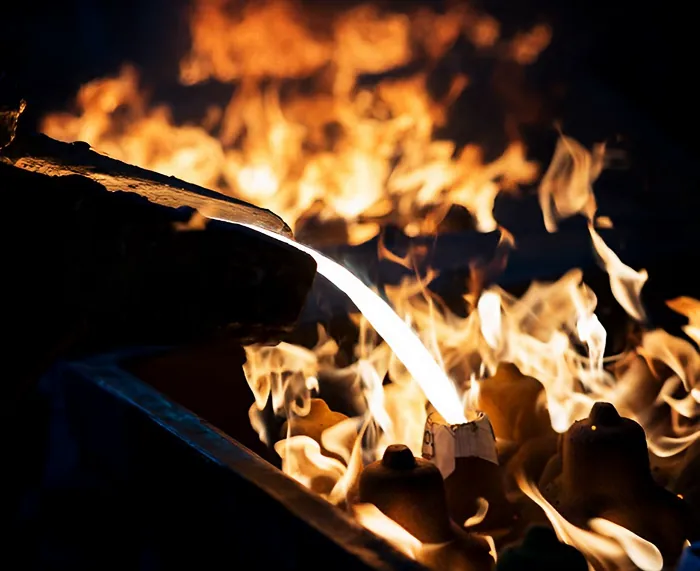
The Timeless Technique of Sand Casting: Past, Present, and Future
This article delves into the fundamentals of sand casting, its historical significance, technological advancements, material applications, and its future in hig...
-
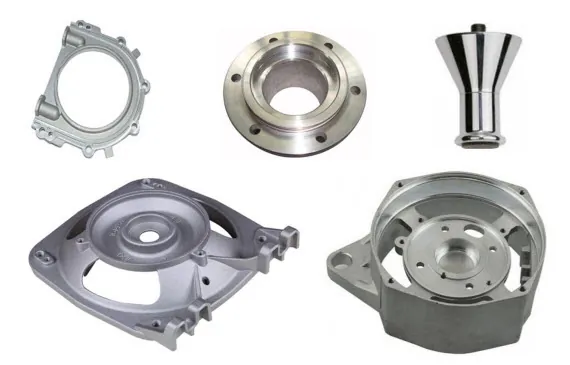
Why Automotive Parts Use Zinc Die Castings
IntroductionIn the automotive industry, the use of high-quality materials is crucial for manufacturing durable and efficient components.Zinc die castings h
-
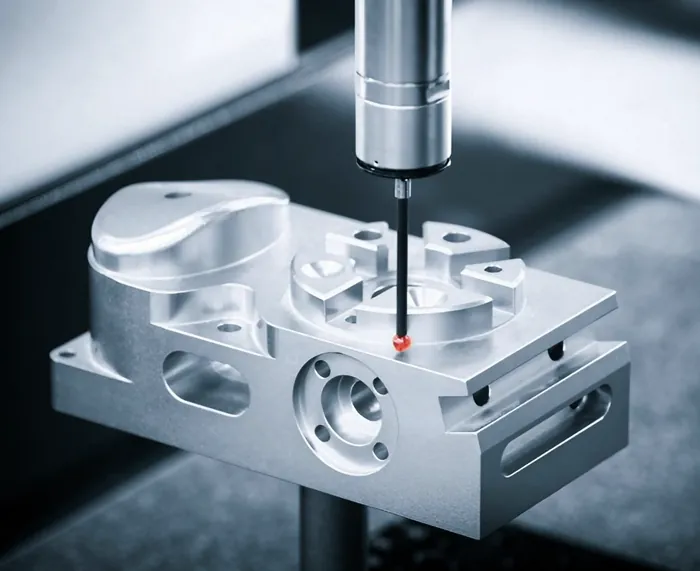
A Combined Approach of On-Machine Inspection and CMM
This article examines the role of Coordinate Measuring Machines (CMM) and on-machine inspection in modern CNC machining.
-
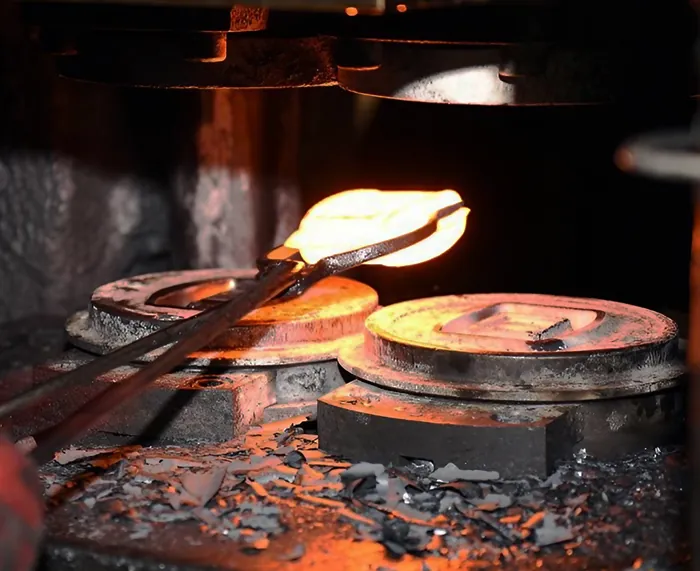
Forging vs. Machining: A Comprehensive Comparison
Forging and machining are two fundamental industrial processes that shape and manufacture metal parts. Each process has advantages and disadvantages, makin
-
The Application of Rapid Prototyping Technology in Investment Casting
Rapid Prototyping (RP) technology, developed in the 1990s, has revolutionized the manufacturing industry by enabling the quick transformation of design con
-
Understanding Metal Strength for the Perfect Choice
Mental strength is a critical factor in countless applications, from towering skyscrapers to the intricate components within our smartphones. But what exac



