
Why Aluminium Die Casting Is Widely Used in Automotive, Electronics, and Industrial Manufacturing
Author: SAIVS Date Published: Jun 01,2026
Why Aluminium Die Casting Is Essential for Modern Industrial Manufacturing
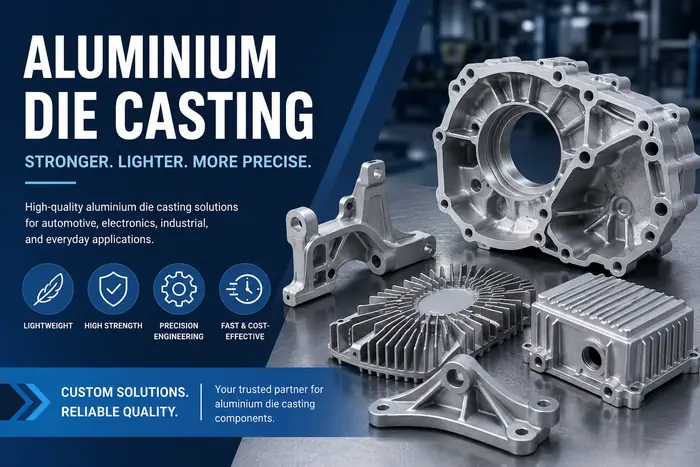
Aluminium die casting has become one of the most important manufacturing technologies in the global industrial market.
It is widely used for producing lightweight, high-strength metal parts with excellent dimensional accuracy.
Many industries such as automotive, telecommunications, electronics, machinery, and household equipment depend on aluminium die casting components for long-term performance and reliability.
For manufacturers and equipment suppliers, this process provides a cost-effective solution for large-scale production while maintaining stable product quality.
Companies searching for durable metal housings, precision aluminum components, and custom Industrial Parts often choose aluminium die casting because of its excellent mechanical properties and production efficiency.
Aluminium Die Casting in the Automotive Industry
Lightweight Engine Components
Automotive manufacturers use aluminium die casting to produce engine blocks, transmission housings, cylinder heads, and gearbox covers.
Compared with traditional steel or iron parts, aluminum components significantly reduce vehicle weight.
This helps improve fuel efficiency, acceleration, and overall driving performance.
High-pressure die casting technology also creates dense internal structures that improve durability under high temperature and heavy mechanical stress.
Precision Parts for Vehicle Assembly
Modern vehicles require highly accurate components that fit perfectly during assembly.
Aluminium die casting allows manufacturers to create complex geometries with tight tolerances.
Steering system housings, seat adjustment frames, and structural brackets can be produced with excellent consistency.
This reduces secondary machining operations and lowers overall production costs.
Electric Vehicle Applications
The rapid growth of electric vehicles has increased the demand for lightweight aluminum parts.
Battery housings, motor covers, inverter casings, and charging system enclosures are commonly manufactured using aluminium die casting.
These parts require excellent heat dissipation and strong structural stability for safe vehicle operation.
Aluminium Die Casting for Electronics and Communication Equipment
Protective Metal Enclosures
Outdoor communication systems require durable enclosures that can resist rain, dust, corrosion, and impact.
Aluminium die casting creates strong protective housings for 5G equipment, network routers, traffic monitoring systems, and industrial control devices.
Aluminum naturally offers excellent corrosion resistance, making it suitable for long-term outdoor use.
Excellent Heat Dissipation Performance
Electronic devices generate heat continuously during operation.
Aluminum has outstanding thermal conductivity, allowing heat to transfer quickly away from sensitive internal components.
Die cast aluminum heat sinks and electronic housings help improve equipment stability and extend service life.
Electromagnetic Shielding Capability
Aluminium die cast enclosures also provide effective electromagnetic interference shielding.
This is critical for advanced communication equipment and precision electronic systems.
Compared with plastic housings, metal enclosures offer much better signal protection and operational reliability.
Industrial Machinery and Heavy Equipment Applications
High-Strength Mechanical Components
Industrial machines operate under continuous vibration and heavy loads.
Aluminium die casting is widely used for manufacturing motor housings, gearbox covers, pump bodies, mounting brackets, and industrial tool frames.
The high-pressure casting process improves material density and mechanical strength.
This helps reduce the risk of cracking or deformation during long-term operation.
Efficient Cooling Structures
Many industrial motors and power systems require effective cooling.
Die casting technology can easily produce complex cooling fins and ribbed surfaces.
These structures increase heat dissipation efficiency and improve equipment operating stability.
Corrosion Resistance in Harsh Environments
Factories often expose machinery to oil, moisture, chemicals, and dust.
Aluminum naturally forms a protective oxide layer that helps prevent corrosion.
This greatly reduces maintenance costs and extends equipment service life.
Aluminium Die Casting for Consumer and Household Products
Modern Furniture Hardware
Many office chairs, desk accessories, lighting fixtures, and kitchen appliances use aluminum die cast parts.
These products require a balance between strength, lightweight structure, and attractive appearance.
Die cast aluminum surfaces can also be polished, painted, powder coated, or anodized for premium visual quality.
Power Tools and Hand Tools
Professional tools require durable but lightweight structures.
Aluminium die casting creates strong tool frames and handles that improve user comfort during long working hours.
The excellent dimensional stability also ensures reliable assembly performance.
Main Advantages of Aluminium Die Casting
Fast Mass Production
Once the mold is completed, aluminium die casting allows factories to produce thousands of identical parts quickly.
This makes it highly suitable for large-volume industrial manufacturing projects.
Excellent Dimensional Accuracy
The process provides high precision and repeatability.
Most parts require minimal post-processing, reducing machining costs and shortening production cycles.
Lower Manufacturing Cost
Compared with other metal forming methods, aluminium die casting offers lower production costs for medium and large production volumes.
It improves manufacturing efficiency while maintaining stable product quality.
Custom Design Flexibility
Complex shapes, thin walls, internal channels, and integrated mounting structures can all be produced in a single casting process.
This provides engineers with greater product design flexibility.
Choosing a Reliable Aluminium Die Casting Manufacturer
For industrial buyers, selecting an experienced aluminium die casting supplier is extremely important.
A professional factory can provide mold design support, precision machining, surface treatment, quality inspection, and customized production services.
Stable product quality and fast delivery are critical factors for reducing project risks and maintaining long-term cooperation.
If your company is searching for custom aluminium die casting parts, industrial aluminum housings, or OEM die casting solutions, working with an experienced manufacturer can help improve product performance and reduce overall procurement costs.
Why Choose SAIVS™ as Your Supplier?
1.Superb Quality Control Management
At SAIVS, we take pride in our perfect quality management systems and procedures, which guarantees the excellent performance of all our producs, being a professional Investment Casting | Die Casting| Sand Castingmanufacturer in China.
2.Rich Production Experience
With 20 years of experience in production, SAIVS has a deep understanding of the market and trends, and strives for continuous research and innovation. This has created advantages in both the product's performance and appearance.
3.Competitive Prices
As a Chinese factory committed to becoming the most cost-effective Investment Casting | Die Casting| Sand Castingexporter in China, SAIVS provides high-quality products at advantageous prices. By lowering costs and increasing efficiency, we ensure that our customers receive the best possible value for their investment.
4.Perfect After-sales Service
At SAIVS, we strive to provide superior customer service that meets and exceeds expectations. We are always available for any questions or concerns you may have, and we stand by our commitment to providing excellent after-sales support.
Related Posts
-
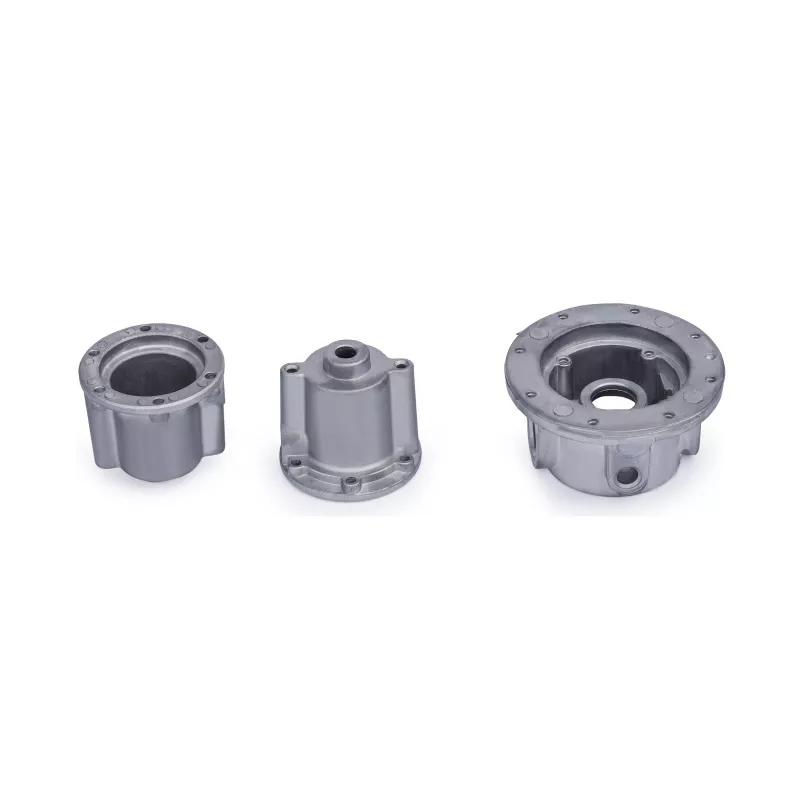
Control method of air hole defect and external shrinkage of aluminum castings
1、 Causes and control methods of air hole defects in aluminum castingsDuring aluminum alloy die casting, the liquid metal contains a lot of gas. If the melting ...
-
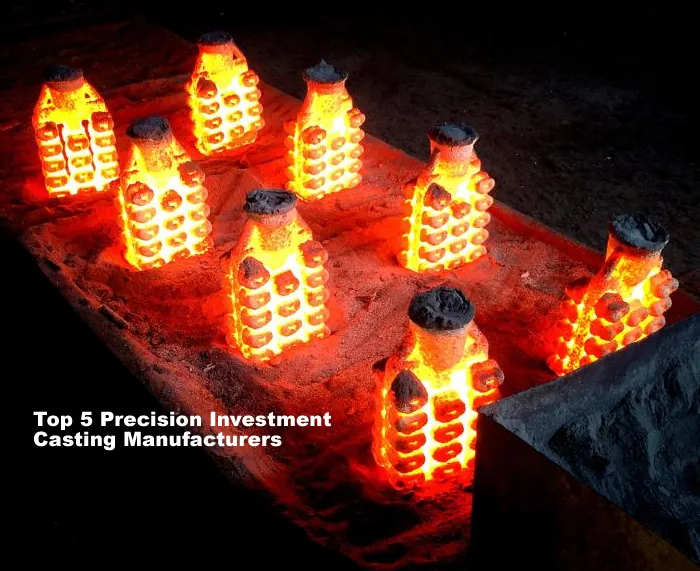
Top 5 Precision Investment Casting Manufacturers
This article introduced the top 5 investment casting companies. If you have questions about your investment casting project, feel free to contact us today!
-
How To Choose The Right Casting Cleaning Equipment
Key Considerations for Selecting the Right Shot Blasting Equipment in FoundriesCasting cleaning is an essential process in any foundry, ensuring that casti
-
Heat treatment and storage methods of aluminum castings
The casting heat treatment process of aluminum castings includes three stages: heating, heat preservation and cooling. In each heat treatment process specificat...
-
What Are the Key Concerns for Aluminium Gravity Casting?
Aluminium Gravity Casting: What Parameters and Information People Are Concerned About?Aluminium gravity casting is a widely used process in the manufacturing in...
-
Quenching, Tempering, Annealing, Normalizing: The Essential Heat Treatment Techniques for Steel
Heat treatment is a crucial process in metallurgy for primary processes that stand out: quenching, tempering, annealing, and normalizing.



