
Casting Manufacturing: Process, Types and Key Industrial Benefits
Author: SAIVS Date Published: Sep 08,2026
Casting Manufacturing: Process, Types and Key Industrial Benefits
Keywords: Metal casting, casting manufacturing, industrial casting process
Casting Manufacturing: Process, Types and Key Industrial Benefits
1. What Is Casting in Manufacturing?
Casting is one of the oldest and most essential metal manufacturing processes in the industrial sector. It involves melting raw metal materials into liquid form, pouring the molten metal into customized hollow molds, and waiting for cooling, solidification and shaping to produce complete metal parts. As a near-net-shape manufacturing technology, casting can create complex geometric structures that are difficult to process by traditional cutting, welding and Forging methods.
This process is widely favored by manufacturers for its high flexibility, low comprehensive cost and strong batch production capacity. It not only adapts to small precision parts but also supports the production of large and heavy industrial components, covering almost all machinery and equipment manufacturing fields.
2. Core Working Principle of Casting Technology
2.1 Basic Casting Flow
The complete casting production process follows a standardized and rigorous procedure, ensuring stable product quality and consistent dimensional accuracy. The whole process can be divided into four core links: mold making, metal melting, pouring forming, and post-processing finishing.
2.1.1 Mold Making
Mold manufacturing is the foundation of casting production. According to product design requirements, workers make hollow molds with precise sizes and shapes. The quality of the mold directly determines the surface finish and dimensional tolerance of the final casting.
2.1.2 Metal Melting & Pouring
Raw materials such as cast iron, aluminum alloy and stainless steel are heated in professional smelting equipment until completely melted into uniform liquid metal. The molten metal is then poured into the prefabricated mold steadily to fill every corner of the mold cavity.
2.1.3 Cooling, Solidification and Finishing
After pouring, the molten metal cools down gradually and solidifies into a fixed shape. Finally, workers conduct demolding, burr removal, polishing and precision machining to obtain qualified finished castings.
3. Common Types of Industrial Casting Processes
3.1 Sand Casting
Sand casting is the most mainstream and cost-effective casting process in the industry. It uses sand as the mold material, featuring low mold cost and strong compatibility. It is suitable for mass production of medium and large parts with low to medium precision requirements, and is widely used in construction machinery and pipeline accessories production.
3.2 Die Casting
Die casting adopts reusable metal molds and high-pressure pouring technology. It has the advantages of high dimensional accuracy, smooth surface and high production efficiency. It is mostly used for high-volume production of lightweight alloy parts such as automotive structural parts and electronic equipment shells.
3.3 Lost Foam Casting
Lost foam casting uses foam models with the same shape as the product. During pouring, the high-temperature molten metal vaporizes the foam and replaces its position. This process has no parting line, fewer processing procedures, and can produce parts with complex internal structures, effectively reducing post-processing costs.
4. Major Advantages of Casting Manufacturing
4.1 Strong Structural Compatibility
Casting technology can easily produce parts with complex inner cavities, curved surfaces and special structures, which cannot be completed efficiently by traditional mechanical processing. It perfectly meets the personalized structural design needs of industrial equipment.
4.2 Cost-Effective Batch Production
After the mold is completed, casting can realize continuous large-scale production with low single-piece production cost and high material utilization rate. It greatly reduces the production cycle and manufacturing cost for industrial enterprises.
4.3 Excellent Material Stability
Cast parts have good overall rigidity, vibration resistance and wear resistance. By adjusting metal ratios, manufacturers can produce castings with high temperature resistance, corrosion resistance and high strength, adapting to various harsh working environments.
5. Main Industrial Applications of Casting
Casting products run through the core links of modern manufacturing industries. In the automotive industry, it is used to produce engine blocks, brake parts and transmission housings. In aerospace and new energy fields, high-precision Investment Castings are used for key equipment components. In construction, shipbuilding and mechanical engineering, various cast iron and alloy castings are indispensable basic parts for equipment operation.
6. Conclusion
From traditional mechanical manufacturing to modern intelligent industrial production, casting has always been an irreplaceable basic manufacturing process. With diverse process types, strong production flexibility and outstanding cost performance, it solves the production pain points of complex parts and large-scale manufacturing. With the continuous upgrading of industrial technology, modern casting is developing towards high precision, high efficiency and environmental protection, and will continue to empower the high-quality development of the global manufacturing industry.
Why Choose SAIVS™ as Your Supplier?
1.Superb Quality Control Management
At SAIVS, we take pride in our perfect quality management systems and procedures, which guarantees the excellent performance of all our producs, being a professional Investment Casting | Die Casting| Sand Castingmanufacturer in China.
2.Rich Production Experience
With 20 years of experience in production, SAIVS has a deep understanding of the market and trends, and strives for continuous research and innovation. This has created advantages in both the product's performance and appearance.
3.Competitive Prices
As a Chinese factory committed to becoming the most cost-effective Investment Casting | Die Casting| Sand Castingexporter in China, SAIVS provides high-quality products at advantageous prices. By lowering costs and increasing efficiency, we ensure that our customers receive the best possible value for their investment.
4.Perfect After-sales Service
At SAIVS, we strive to provide superior customer service that meets and exceeds expectations. We are always available for any questions or concerns you may have, and we stand by our commitment to providing excellent after-sales support.
Related Posts
-
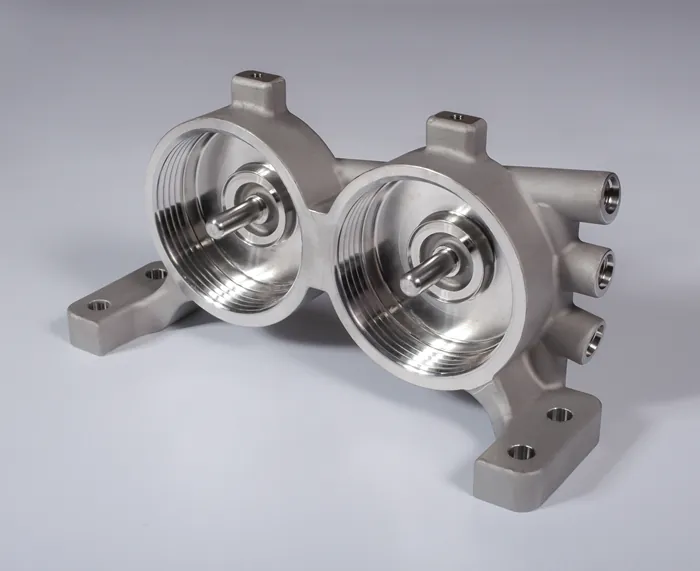
Factors Affecting the Dimensions of Stainless Steel Castings
Learn about the factors affecting dimensional accuracy, including material expansion and deformation, and understand why choosing an experienced foundry like SA...
-
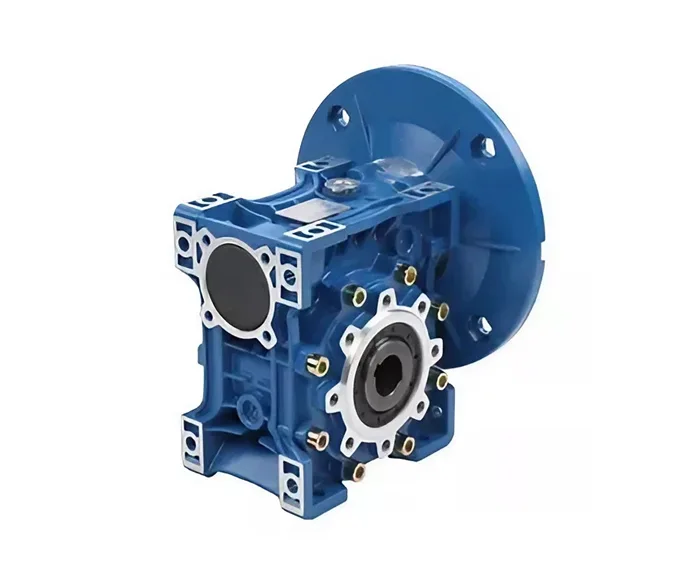
The significance of gearbox in industrial applications
Gear systems are integral to a wide range of industrial applications, from automotive to manufacturing machinery. Within these systems, the gear housing...
-
Achieving Consistent Color in Injection Molding
This article explores the importance of color consistency in injection molding and details various methods and best practices to achieve it.
-
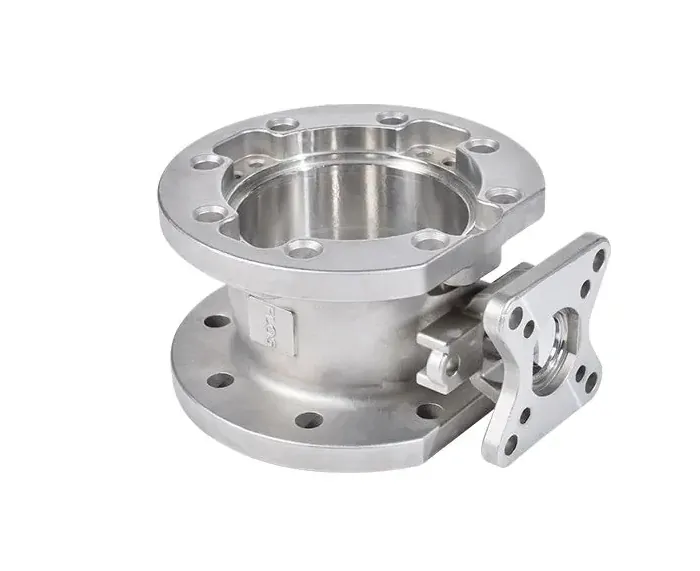
Demystifying the World of Aluminum and Steel Castings
IntroductionAluminum and steel are two of the most popular materials used in casting. Both materials have their unique advantages and disadvantages, making them...
-
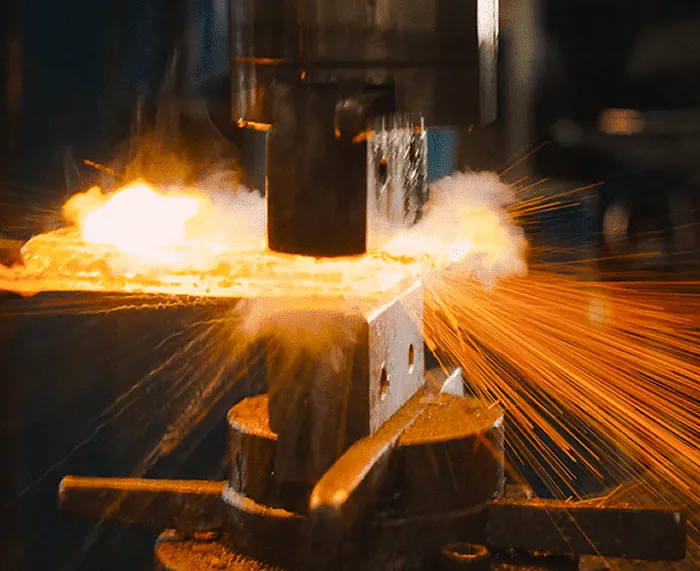
What is forging
What Is Forging?Forging is a term that can have different meanings depending on the context. In general, forging refers to the process of shaping metal using lo...
-
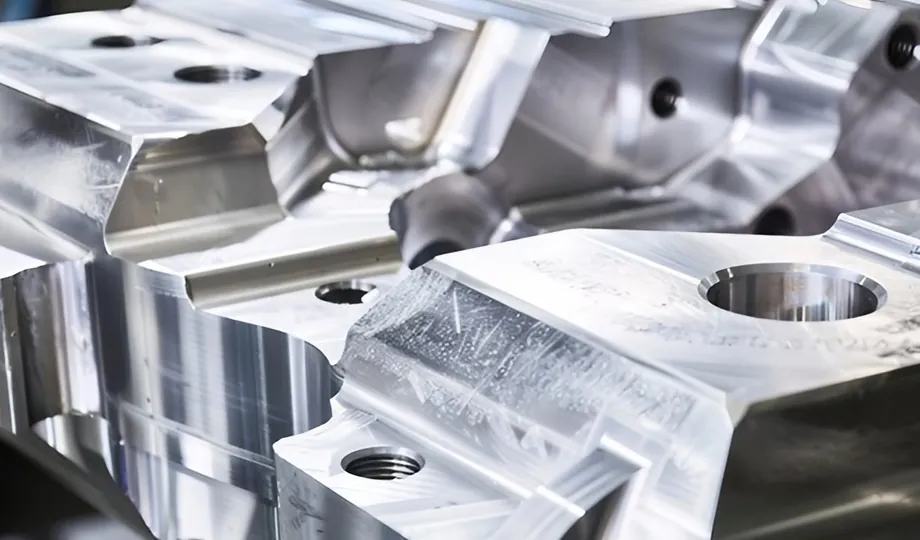
The Six Key Benefits of Lost Foam Casting
In the ever-evolving landscape of manufacturing, selecting the right casting method is crucial for efficiency and cost-effectiveness. Lost foam casting has



