
Gravity Die Casting: Choosing the Right Alloy for Your Needs
Author: SAIVS Date Published: Dec 04,2023
Gravity Die Casting is a manufacturing process that uses gravity to fill a mold with molten metal.
This process is used to produce a wide variety of metal components,
including automotive parts, appliances, and electronics.
The selection of the appropriate gravity die casting alloy is an important decision that can affect the performance,
cost-effectiveness, and sustainability of the manufactured product.
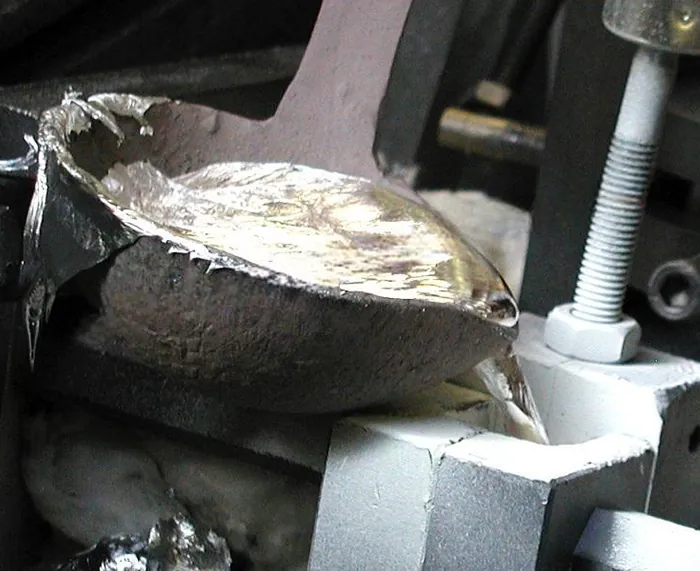
Common Gravity Die Casting Alloys
The most common gravity die casting alloys are aluminum and zinc.
These alloys offer a variety of properties that make them suitable for a wide range of applications.
Aluminum Alloys are lightweight, strong, and recyclable.
They are also relatively easy to machine and have good corrosion resistance.
| Alloy Type | Advantages |
| A356 | good strength and castability |
| A380 | one of the most cost efficient metals |
| A413 | high-conductivity alloy |
Zinc Alloys
Zinc alloys are also lightweight and strong. They are relatively inexpensive and have good castability.
However, they are not as corrosion-resistant as aluminum alloys.
| Alloy Type | Advantages |
| ZAMAK-3 | good overall performance |
| ZAMAK-5 | high strength |
| ZAMAK-7 | corrosion resistance |
The Importance of Gravity Die Casting Alloy Selection
1. Mechanical Properties:
The mechanical properties of the alloy, such as tensile strength, yield strength, elongation,
and fatigue resistance, must align with the intended use of the cast component.
The alloy should be able to withstand the anticipated loads, stresses,
and operating conditions without compromising its integrity.
2. Cost Considerations:
The cost of the alloy, including the material itself and the associated casting process costs,
is an important factor in selecting the most economical option.
Balancing cost with the required performance characteristics is essential for optimizing production expenses.
3.Machinability:
If post-casting machining is required, the alloy's machinability should be considered.
Alloys that are easy to machine, such as aluminum alloys, reduce machining time and costs,
while more challenging alloys may require specialized machining techniques.
4.Corrosion Resistance:
If the cast component will be exposed to corrosive environments, the alloy's corrosion
resistance must be carefully evaluated. Alloys with inherent corrosion resistance or the
ability to receive protective coatings can prevent degradation and extend the product's lifespan.
Factors to Consider When Selecting Gravity Die Casting Alloys
1.Cost:
Cost is an important factor to consider. Evaluate the price of the alloy and the
associated processing costs to ensure a reasonable performance-to-cost ratio.
2.Corrosion Resistance:
If corrosion resistance is required based on the operating environment,
consider the alloy's ability to resist corrosion.
Proper coatings or alloy selection can help prevent corrosion.
3.Supplier Expertise:
Consider the expertise of the supplier providing the alloy.
A reliable supplier can offer guidance in selecting the appropriate alloy and provide technical support.
Conclusion
Selecting the appropriate gravity die casting alloy is a critical decision that influences the performance,
cost-effectiveness, and sustainability of the manufactured product.
By carefully considering the factors discussed in this article,
manufacturers can make informed choices that ensure the optimal casting alloy for their specific applications.
Why Choose SAIVS™ as Your Supplier?
1.Superb Quality Control Management
At SAIVS, we take pride in our perfect quality management systems and procedures, which guarantees the excellent performance of all our producs, being a professional Investment Casting | Die Casting| Sand Castingmanufacturer in China.
2.Rich Production Experience
With 20 years of experience in production, SAIVS has a deep understanding of the market and trends, and strives for continuous research and innovation. This has created advantages in both the product's performance and appearance.
3.Competitive Prices
As a Chinese factory committed to becoming the most cost-effective Investment Casting | Die Casting| Sand Castingexporter in China, SAIVS provides high-quality products at advantageous prices. By lowering costs and increasing efficiency, we ensure that our customers receive the best possible value for their investment.
4.Perfect After-sales Service
At SAIVS, we strive to provide superior customer service that meets and exceeds expectations. We are always available for any questions or concerns you may have, and we stand by our commitment to providing excellent after-sales support.
Related Posts
-
Achieving Precision: Mitigating Deformation in CNC Aluminum Machining
This guide explores aluminum properties, factors leading to deformation, and effective strategies to minimize it.
-
Die Casting Design Guide
AbstractDie casting, a high-pressure metal casting process is widely used in manufacturing industries for producing complex metal parts. This article delve
-
Top 5 Precision Investment Casting Manufacturers
This article introduced the top 5 investment casting companies. If you have questions about your investment casting project, feel free to contact us today!
-
Finding Insights Into Various Forging Techniques
Forging is a manufacturing process that involves shaping metal by applying compressive forces. There are several different forging processes, each with its own ...
-
Selecting Metals For Various Die Casting Methods
Die casting is a manufacturing process used to shape metal and produce complex metal parts using reusable molds called dies. Die casters utilize a die casting m...
-
how to replace the brake wheel cylinder and casting technology?
The brake wheel cylinder (commonly known as the brake caliper) is a very important component in the braking system. If it fails, it will have a great impact on ...



