
Benefits Of 3D printing prototype
Author: SAIVS Date Published: Aug 07,2023
As technology evolves, 3D Printing has become an important tool for improving prototyping
in this industry through significant benefits such as precision and efficiency.
This article identifies and explores the various benefits
of 3D printing prototyping in the Investment Casting industry.
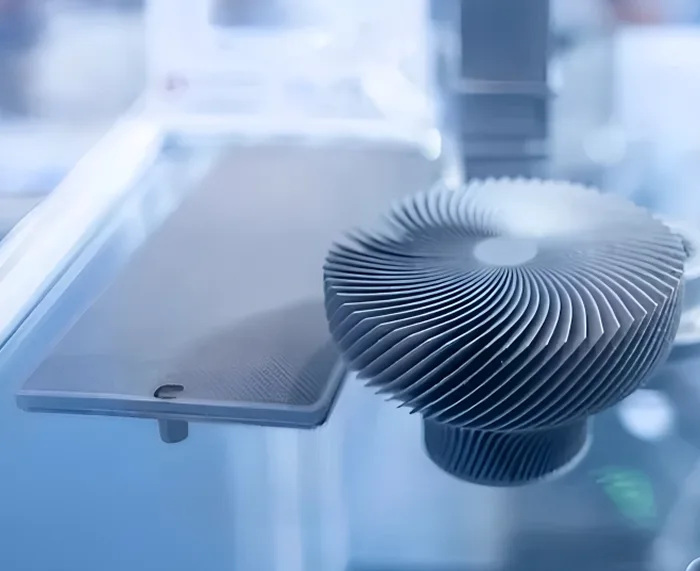
Improved Efficiency
When it comes to prototyping for investment casting,
3D printing offers improved efficiency when compared to traditional methods.
With traditional prototyping techniques,
the production process takes longer and may include added expenses for molds,
tooling, and additional equipment required. With 3D printing,
the production process can be shortened to significantly reduce costs and delivery time.
Furthermore, 3D printing allows for multiple iterations
to be produced in a single printing process, making the process more efficient.
Accuracy and Precision
In the investment casting industry, accuracy is of paramount importance,
and 3D printing plays a huge role in assisting manufacturers to achieve this.
3D printing technology employs advanced software that
can produce parts with an accuracy of 0.1 mm or even finer.
This high level of accuracy enables investment casting manufacturers
to eliminate possible errors from prototyping and testing,
ensuring that the final product is in line with the specified requirements.
Additionally, 3D printing produces parts with fine details
that are often hard to create with traditional methods.
Cost Savings
The use of 3D printing in the investment casting industry lowers the overall cost of
producing prototypes by eliminating the need for molds and tooling.
In traditional prototyping, tooling is the most significant expense in the production process.
3D printing reduces these costs by producing high-quality prototypes
that require only slight modifications,
minimizing downtime and ensuring that the final product is produced within a shorter period.
Quick Turnaround Time
3D printing is an excellent prototyping method that allows for a quick turnaround time,
which is highly advantageous to the investment casting industry.
The production process for traditional prototyping involves time-intensive stages
that may take weeks or even months at times.
On the other hand, 3D printing reduces production time significantly,
enabling designers to make changes and produce new prototypes
in a matter of days or even hours in some cases.
This quick turnaround time ensures that products are developed
and delivered to market within a shorter period, giving manufacturers a competitive edge.
In conclusion, 3D printing offers multiple benefits in the investment casting industry,
including improved efficiency, accuracy and precision, cost savings,
and quick turnaround time for prototyping. With its advanced technology,
3D printing enables manufacturers to produce high-quality prototypes with fine details
and eliminate possible errors from testing and prototyping,
ultimately delivering products to market faster and at a lower cost.
Why Choose SAIVS™ as Your Supplier?
1.Superb Quality Control Management
At SAIVS, we take pride in our perfect quality management systems and procedures, which guarantees the excellent performance of all our producs, being a professional Investment Casting | Die Casting| Sand Castingmanufacturer in China.
2.Rich Production Experience
With 20 years of experience in production, SAIVS has a deep understanding of the market and trends, and strives for continuous research and innovation. This has created advantages in both the product's performance and appearance.
3.Competitive Prices
As a Chinese factory committed to becoming the most cost-effective Investment Casting | Die Casting| Sand Castingexporter in China, SAIVS provides high-quality products at advantageous prices. By lowering costs and increasing efficiency, we ensure that our customers receive the best possible value for their investment.
4.Perfect After-sales Service
At SAIVS, we strive to provide superior customer service that meets and exceeds expectations. We are always available for any questions or concerns you may have, and we stand by our commitment to providing excellent after-sales support.
Related Posts
-
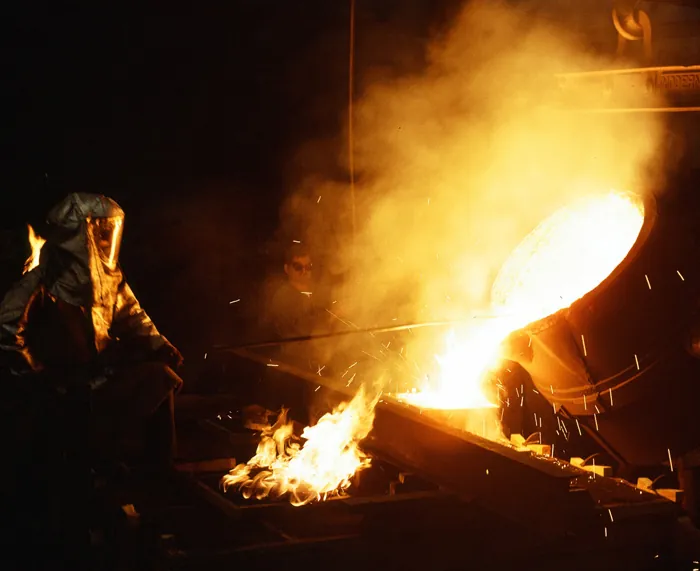
What Is Sand Casting And Its Process
What is sand casting?Sand casting is a metal casting process that uses sand to create the mold in which the metal is poured. It is the most common casting proce...
-
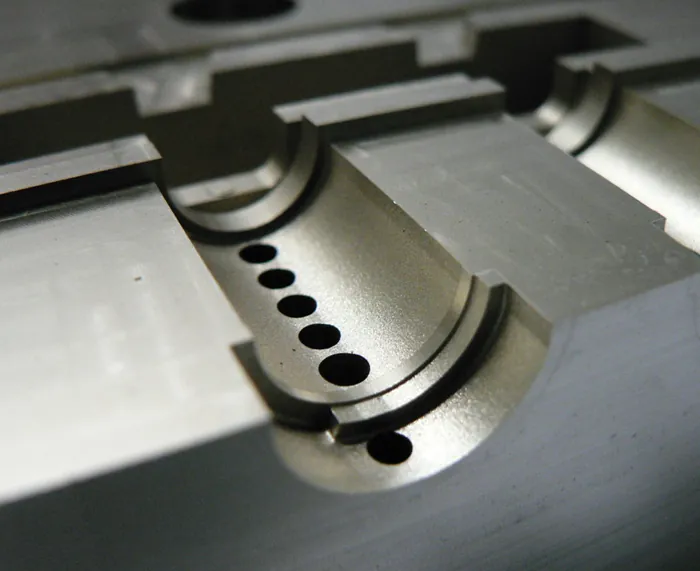
Unlocking Efficiency: How Mold Coatings Minimize Downtime and Maximize Productivity
This guide describes the selection and application of die materials and coatings to help manufacturers extend die life.
-
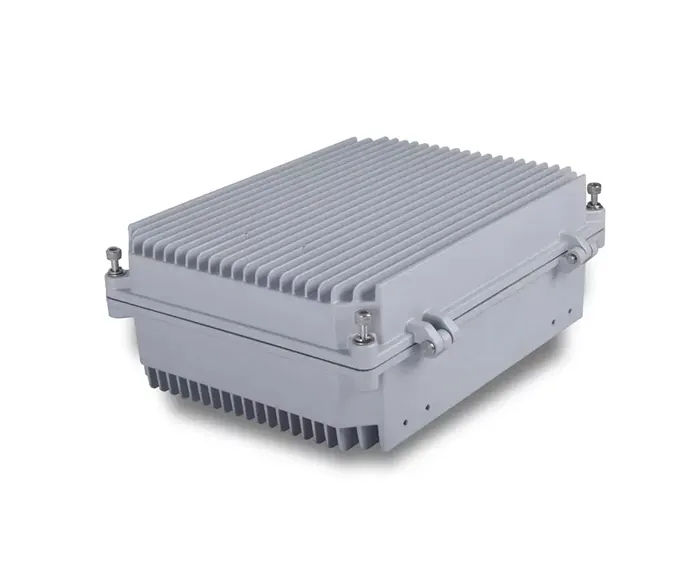
Why Aluminum Reigns Supreme in Telecom Enclosure Evolution
Explore the pivotal role of die-cast aluminum in telecom enclosures, providing a lightweight, strong, and thermally efficient solution for today‘s digital infra...
-
Demystifying the World of Aluminum and Steel Castings
IntroductionAluminum and steel are two of the most popular materials used in casting. Both materials have their unique advantages and disadvantages, making them...
-

Understanding Investment Casting Molds: A Step-by-Step Guide
This paper describes the key steps involved in making investment casting molds and emphasizes the importance of quality control measures in the process.
-
Choosing the Right Aluminum Alloy for Your Project
To understand the factors affecting bendability and the strengths of popular bendable aluminum alloys.



