
5 CNC Machining Materials
Author: SAIVS Date Published: Sep 05,2024
Aluminum
Aluminum is one of the most popular materials for CNC machining due to its excellent machinability, lightweight nature, and resistance to corrosion. It is ideal for applications where weight reduction is essential without compromising strength, such as in the aerospace, automotive, and electronics industries.
aluminum alloys, such as 6061 and 7075, are commonly used because they offer a good balance of strength and workability. Aluminum's thermal conductivity makes it suitable for heat sinks and electronic housings. Additionally, it is relatively affordable and widely available, making it a cost-effective choice for a variety of projects.
stainless steel
Stainless steel is another widely used material in CNC machining, known for its corrosion resistance, strength, and aesthetic appeal. It is often used in industries where hygiene and corrosion resistance are critical, such as medical, food processing, and chemical processing.
Stainless steel comes in various grades, such as 304 and 316, each with specific properties suited to different applications. For example, 316 stainless steel is highly resistant to corrosion and is often used in marine environments. Despite being more challenging to machine due to its hardness and tendency to work harden, stainless steel remains a popular choice for components requiring durability and a polished finish.
Low Carbon Steel
Low carbon steel, also known as mild steel, is a versatile material commonly used in CNC machining for parts that do not require high strength or hardness. It is relatively easy to machine and weld, making it a popular choice for manufacturing and construction applications.
The low carbon content of this steel gives it good ductility and malleability, allowing for easy shaping and forming. While it is less resistant to corrosion compared to stainless steel, it can be coated or treated to improve its durability. Low carbon steel is often used for structural components, brackets, and general-purpose parts.
Alloy Steel
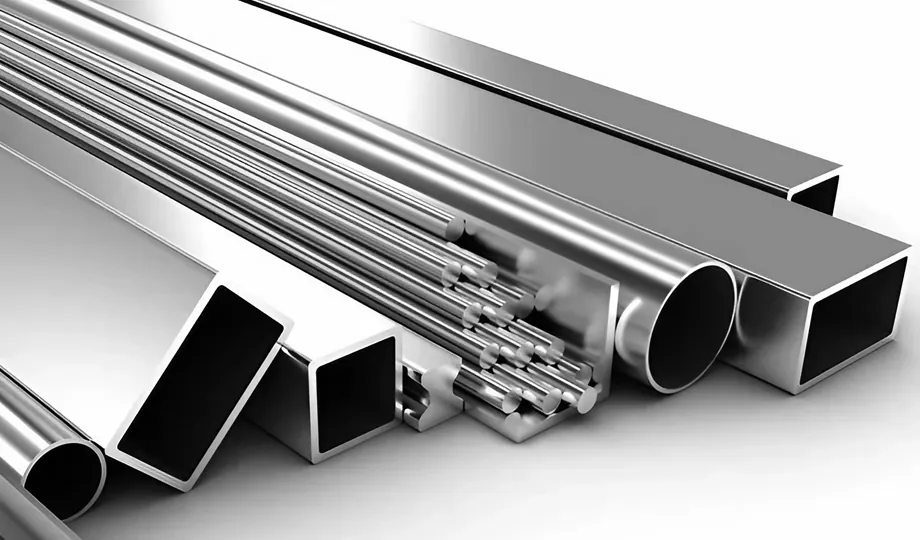
Alloy steel is a type of steel that has been alloyed with additional elements, such as chromium, nickel, and molybdenum, to enhance its mechanical properties. This material is known for its high strength, toughness, and wear resistance, making it suitable for heavy-duty applications.
In CNC machining, alloy steel is often used for parts that require high strength and durability, such as gears, shafts, and high-stress components in automotive and industrial equipment. The specific properties of alloy steel can vary depending on the elements added, allowing for customization based on the needs of the application. However, due to its hardness, alloy steel can be more challenging to machine, often requiring specialized tools and techniques.
Tool Steel
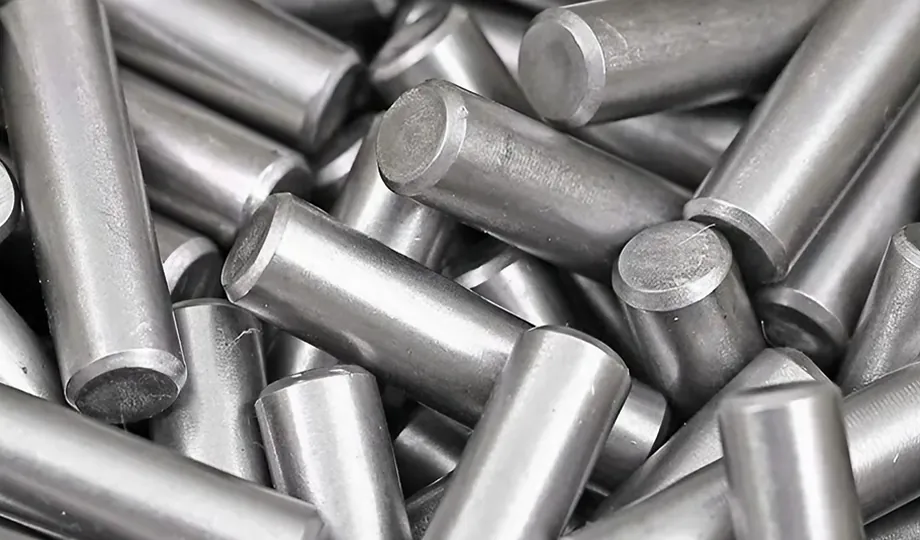
Tool steel is a high-carbon steel alloy designed to withstand high temperatures and retain its hardness, making it ideal for cutting tools, molds, and dies used in manufacturing. Its excellent wear resistance and ability to maintain a sharp edge under heavy use make it a preferred choice for high-precision applications.
CNC machining of tool steel is more complex due to its hardness and toughness. However, its ability to produce high-strength, durable components makes it invaluable in industries such as aerospace, automotive, and industrial manufacturing. Tool steel grades, such as A2, D2, and M2, offer different levels of wear resistance, hardness, and toughness to suit various applications.
Conclusion
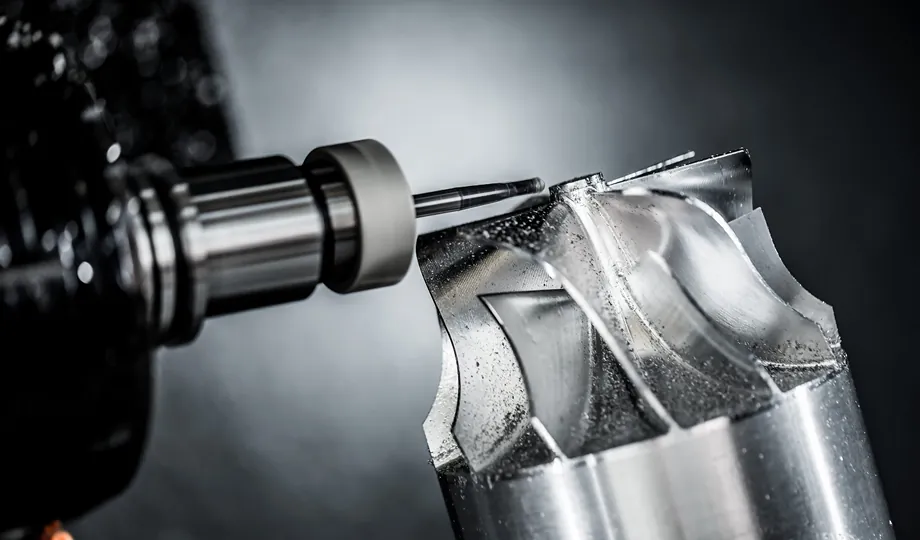
Choosing the right material for CNC machining is crucial for optimizing the performance and durability of the final product. Aluminum, stainless steel, low carbon steel, alloy steel, and tool steel each offer unique properties that make them suitable for different applications. By understanding the strengths and limitations of these materials, manufacturers can make informed decisions that meet their specific requirements and enhance the efficiency of their production processes. Whether you need lightweight components or high-strength parts, selecting the right CNC machining material is key to achieving the best results.
Why Choose SAIVS™ as Your Supplier?
1.Superb Quality Control Management
At SAIVS, we take pride in our perfect quality management systems and procedures, which guarantees the excellent performance of all our producs, being a professional Investment Casting | Die Casting| Sand Castingmanufacturer in China.
2.Rich Production Experience
With 20 years of experience in production, SAIVS has a deep understanding of the market and trends, and strives for continuous research and innovation. This has created advantages in both the product's performance and appearance.
3.Competitive Prices
As a Chinese factory committed to becoming the most cost-effective Investment Casting | Die Casting| Sand Castingexporter in China, SAIVS provides high-quality products at advantageous prices. By lowering costs and increasing efficiency, we ensure that our customers receive the best possible value for their investment.
4.Perfect After-sales Service
At SAIVS, we strive to provide superior customer service that meets and exceeds expectations. We are always available for any questions or concerns you may have, and we stand by our commitment to providing excellent after-sales support.
Related Posts
-
From Iron Alloys to Aluminum Alloys: Understanding the World of Ferrous and Non-Ferrous Metals
Delve into the world of metals with this comprehensive guide to ferrous and non-ferrous metals. Explore their properties, applications, and key differences.
-
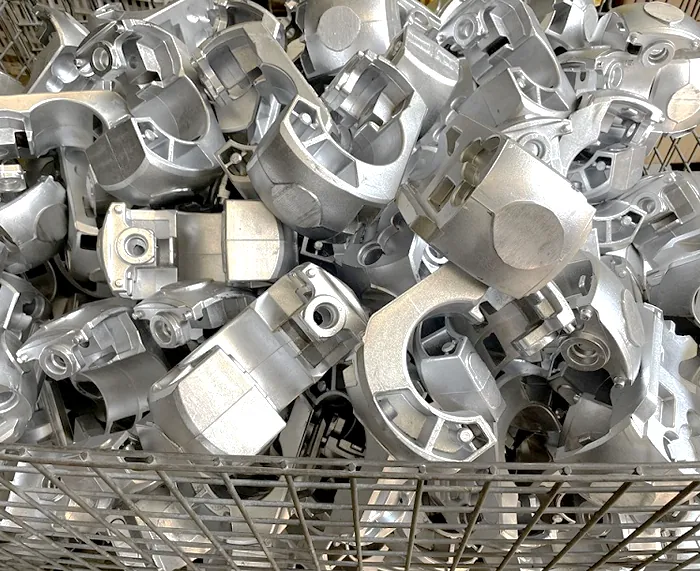
The Key to Quality: Understanding Die Design for Aluminum Alloy Die Casting
This article merges the key aspects of aluminum alloy die casting quality from two sources to provide a comprehensive overview.
-
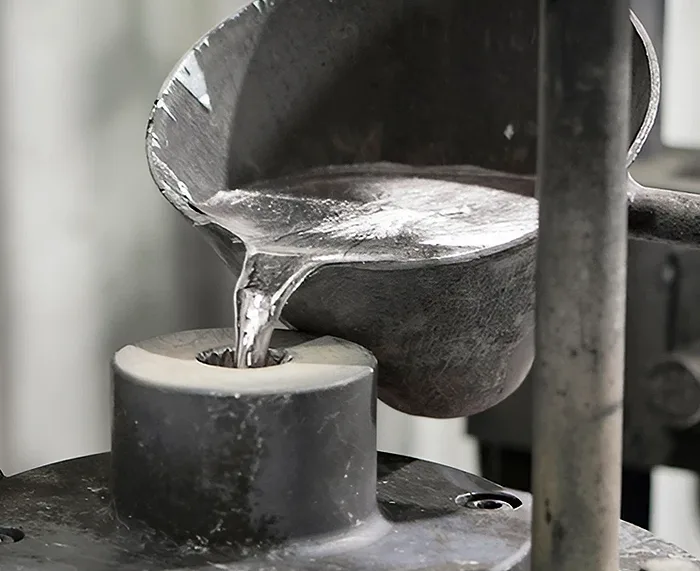
What is the process of gravity casting
What is Gravity Casting?Gravity casting, also known as gravity die casting or permanent mold casting, is a casting process used to produce high-quality metal pa...
-
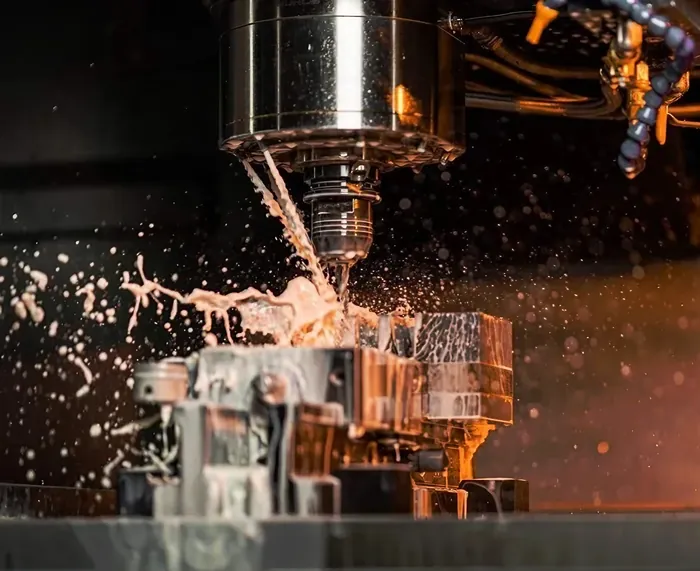
The Advantages of CNC Machined Parts Over Molded Parts
CNC machining offers numerous advantages over molding. Discover why machined parts are the preferred choice for rapid prototyping and small-batch production in ...
-
How CNC Machining Is Changing the Medical Industry
Digital motors, sophisticated software, and specialized cutting tools are yielding precision, repeatability, and scalability in CNC machining.Products, devices,...
-
An overview of Gravity Die Casting
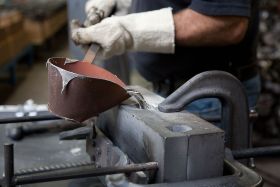
An overview of Gravity Die CastingGravity die pourGravity die casting is used to manufacture casting parts from non-ferrous materials such as aluminium or low-t...



