
Limitations of CNC Machining
Author: SAIVS Date Published: Oct 12,2024
While CNC machining offers unparalleled precision and flexibility in manufacturing, it's essential to understand its limitations. Certain factors can restrict CNC Machines' capabilities, impacting the types of parts that can be produced efficiently and to the desired quality.
Geometric Constraints
Internal Corners: Due to cutting tools' cylindrical shape, creating perfect internal 90-degree angles is challenging. The tool's radius leaves a slight curve at the corner.
Deep Cavities: Machining deep cavities can lead to tool deflection, vibration, and increased tool wear. As the tool penetrates deeper, it becomes more susceptible to breaking.
Thin Walls: Thin-walled features are prone to deformation and breakage during machining. Their delicate nature requires careful programming and machining parameters.
Internal Undercuts: If a feature cannot be directly accessed by the cutting tool, such as an internal undercut, CNC machining may not be feasible.
Material Limitations
Hardness: Extremely hard materials like ceramics or certain alloys can be difficult to machine due to the required tooling and cutting parameters.
Brittleness: Brittle materials are prone to chipping and cracking during machining, requiring specialized tooling and techniques.
Ductility: Highly ductile materials can experience work hardening, which can affect tool life and part quality.
Process Limitations
Surface Finish: While CNC machining can produce high-quality surface finishes, achieving a mirror-like finish may require additional post-processing.
Heat Treatment Distortion: If a part undergoes heat treatment after machining, it may warp or distort, affecting dimensional accuracy.
Tool Life: Tool wear and breakage can impact cycle times and part quality. Factors such as cutting speed, feed rate, and depth of cut influence tool life.
Economic Considerations
Setup Time: Complex parts or small batch sizes can increase setup times, reducing overall efficiency.
Tooling Costs: Specialized tooling for unique materials or features can increase production costs.
Programming Complexity: Complex part geometries require sophisticated programming, which can be time-consuming and costly.
Other Factors
Machine Size: The size of the workpiece and the machine's work envelope must be compatible.
Tolerance Requirements: Extremely tight tolerances may require additional machining operations or specialized equipment.
Material Removal Rate: For high material removal rates, alternative processes like grinding or EDM may be more efficient.
In conclusion, while CNC machining is a versatile and powerful manufacturing technology, it's essential to carefully evaluate the limitations and capabilities of CNC machines before selecting this process. By considering factors such as part geometry, material properties, and process requirements, manufacturers can make informed decisions and optimize their production processes.
Why Choose SAIVS™ as Your Supplier?
1.Superb Quality Control Management
At SAIVS, we take pride in our perfect quality management systems and procedures, which guarantees the excellent performance of all our producs, being a professional Investment Casting | Die Casting| Sand Castingmanufacturer in China.
2.Rich Production Experience
With 20 years of experience in production, SAIVS has a deep understanding of the market and trends, and strives for continuous research and innovation. This has created advantages in both the product's performance and appearance.
3.Competitive Prices
As a Chinese factory committed to becoming the most cost-effective Investment Casting | Die Casting| Sand Castingexporter in China, SAIVS provides high-quality products at advantageous prices. By lowering costs and increasing efficiency, we ensure that our customers receive the best possible value for their investment.
4.Perfect After-sales Service
At SAIVS, we strive to provide superior customer service that meets and exceeds expectations. We are always available for any questions or concerns you may have, and we stand by our commitment to providing excellent after-sales support.
Related Posts
-
Aluminium Casting Vs. Steel Casting: Which Alloy Is Right For Your Product
Introducing Green Sand CastingCasting products are used in a variety of industries, making casting an important manufacturing process. Many of these products ar...
-
Common problems, causes and solutions of die casting mould
1. Ejector Pin IssuesCommon Issues:Ejector pin jams or breaksPointed position of the ejector pinMaterial build-up at the ejector pin siteDeep or excessive
-
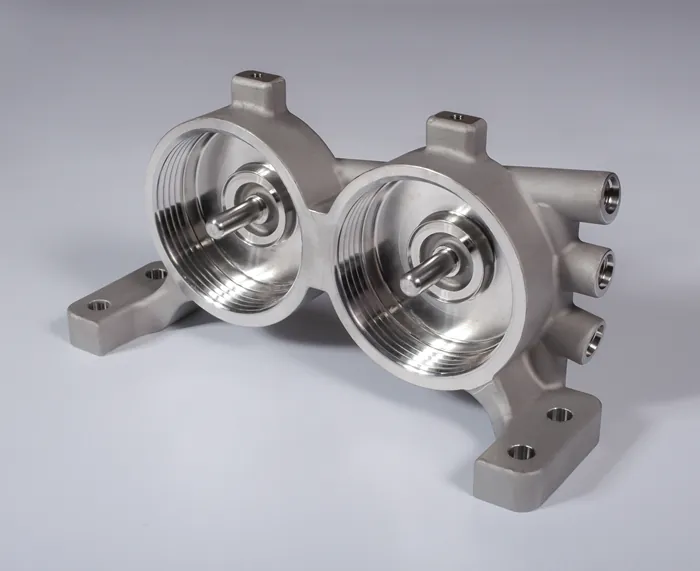
Factors Affecting the Dimensions of Stainless Steel Castings
Learn about the factors affecting dimensional accuracy, including material expansion and deformation, and understand why choosing an experienced foundry like SA...
-
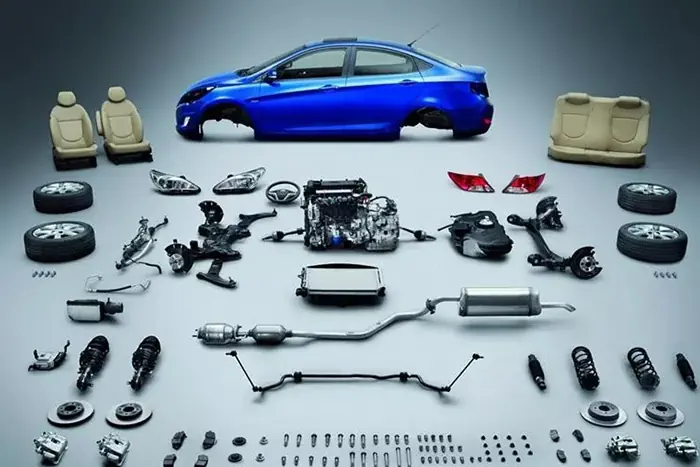
Optimizing Mg-9Al-1Zn-0.5Ce Die-Casting for Automotive Parts: Enhanced Performance & Corrosion R
Optimizing Mg-9Al-1Zn-0.5Ce Die-Casting for Automotive Parts: Enhanced Performance & Corrosion ResistanceIn today's rapidly evolving automotive industr
-
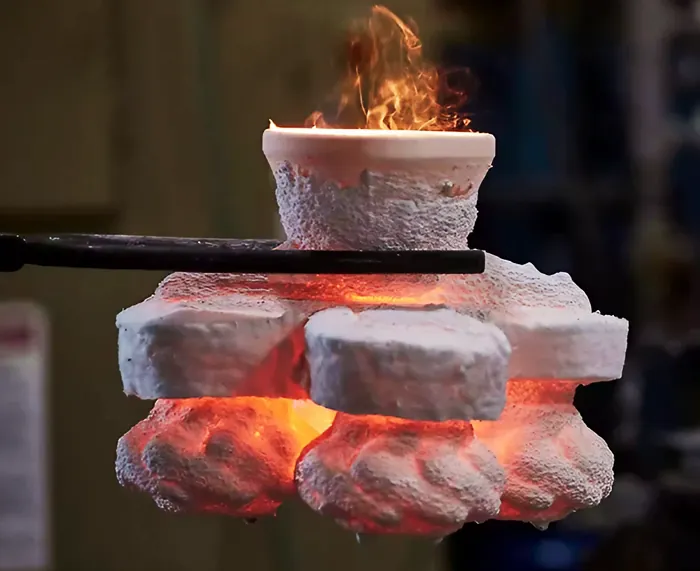
Investment Casting: Freedom in Design with Minimal Draft Angles
Draft angles are a necessary evil in many casting processes, limiting design freedom and adding complexity to post-casting machining. Investment casting, h
-
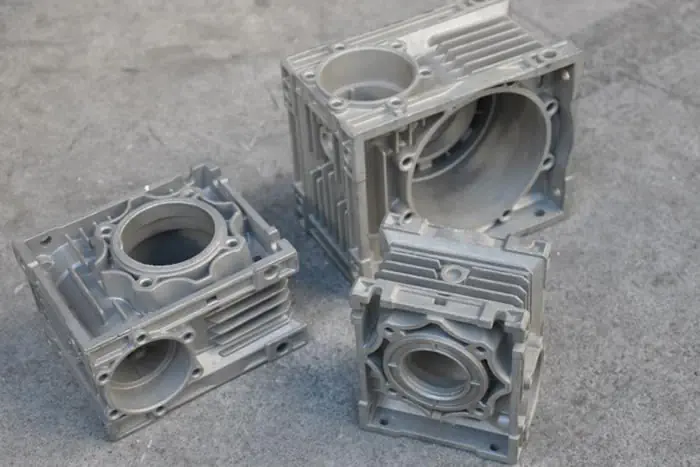
How Die Casting Mold Trial Ensures High-Quality Mass Production
What Is Mold Trial for Die CastingDie casting mold trial is a critical process that bridges mold design and mass production. It serves to verify the perfor



