
Safety Guidelines for Precision CNC Machining
Author: SAIVS Date Published: Jul 12,2024
Precision CNC (Computer Numerical Control) machining is a vital process in modern manufacturing, leveraging computer-controlled machine tools to produce high-quality, intricate parts with exceptional accuracy and efficiency. However, the complexity and power of CNC Machines necessitate stringent safety measures to prevent accidents and injuries. Here are comprehensive Safety Guidelines to follow during Precision CNC Machining:
Before Operating the Machine
Training and Certification
Ensure all operators are properly trained and certified, covering machine operation, programming, maintenance, and emergency procedures. Regularly update training to reflect new technologies and safety practices.
Instructor Permission and Approval
Obtain permission from your instructor or supervisor before operating the machine. Never modify machinery without proper approval.
Safety Procedures and Program Review
Review all safety procedures and programming instructions thoroughly. Prepare and check your program for safety and accuracy before execution.
Personal Protective Equipment (PPE)
Wear appropriate PPE, including safety glasses, gloves, hearing protection, and steel-toed boots. Ensure long hair and loose clothing are secured to avoid entanglement.
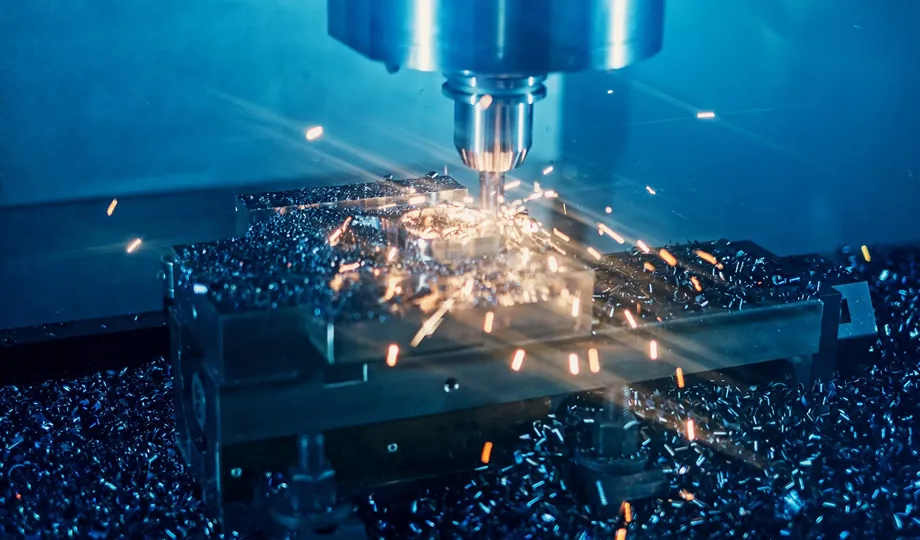
Machine Setup and Operation
Proper Materials and Tools
Use only approved materials and properly sharpened tools. Secure the workpiece firmly before starting the machine to prevent it from becoming a projectile.
Inspection and Maintenance
Regularly inspect CNC machines for loose parts, worn components, and proper lubrication. Implement a preventive maintenance schedule to avoid unexpected breakdowns and safety hazards.
Setup and Calibration
Ensure the machine is properly set up and calibrated before use. Double-check the alignment of tools, fixtures, and workpieces to prevent malfunctions and accidents.
Safety Guards
Always use safety guards during machine operation to protect from moving parts and debris. Never remove or bypass these guards.
Environment and Lighting
Avoid using compressed air and ensure the working area is well-lit. Working in wet or poorly lit areas can lead to accidents.
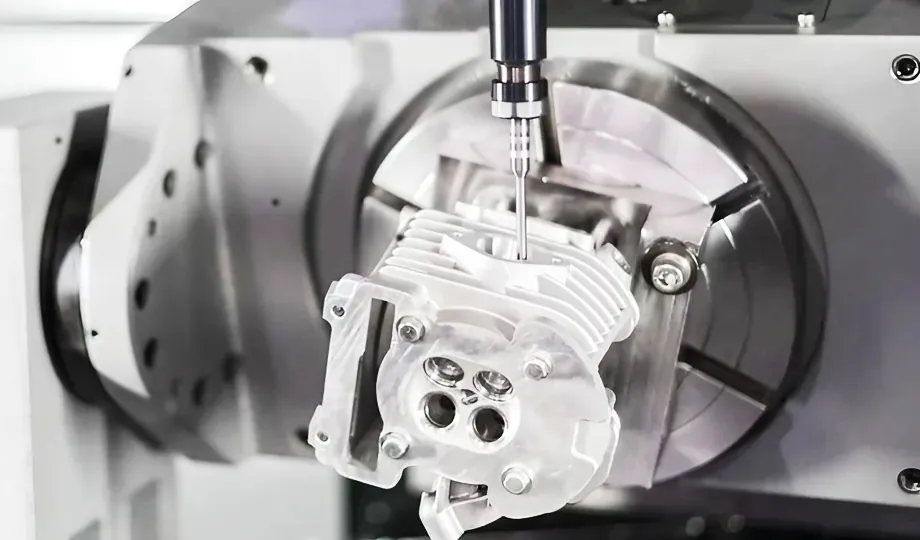
Starting and Running the Machine
Program Execution
Follow the proper steps to home the machine spindle and load your program. Monitor the machine parameters continuously, including speed, feed rate, and coolant flow.
Hands and Body Positioning
Keep hands and body clear of the machine while it is running. Never place your body near moving parts and avoid using flammable or toxic materials.
Emergency Procedures
Familiarize yourself with emergency procedures, including machine shutdown, first aid, and evacuation routes. Clearly label emergency stop buttons for easy access.
Shutting Down and Maintaining the Machine
Machine Shutdown
Turn off the machine when not in use. Report any necessary repairs to the supervisor and avoid attempting to fix it yourself.
Cleaning and Debris Removal
Clean the table, vise, workpiece, and surrounding area after machining. Use a brush to remove chips—never your hands or rags. Regularly vacuum dust and debris.
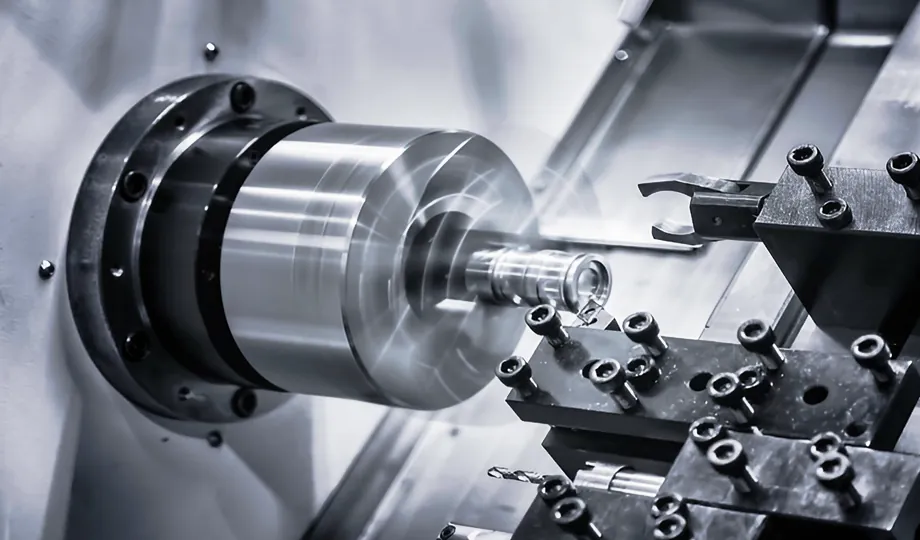
Additional Safety Rules
Avoid Distractions
Maintain focus and avoid distractions while operating CNC machines. A clean and organized workspace helps minimize unnecessary interruptions.
Documentation and Record-Keeping
Keep detailed records of machine maintenance, inspections, and any incidents to identify recurring issues and improve overall safety practices.
Proper Material Handling
Handle materials carefully and use mechanical aids for lifting heavy objects. Follow proper lifting techniques to prevent strains and injuries. Store materials in an organized manner to avoid tripping hazards.
Behavior and Housekeeping
No horseplay or unsafe behavior is allowed in the lab. Clean up spills immediately, remove burrs from machined parts, and report damaged equipment to the instructor.
Workspace Cleanliness
Maintain a clean and organized workspace. Dispose of oily rags properly, avoid smoking, eating, drinking, or running in the lab, and clean up before leaving.
By adhering to these comprehensive safety guidelines, operators can ensure a safer working environment and prevent accidents during precision CNC machining. Prioritizing safety not only protects personnel but also enhances productivity and the quality of the manufactured products.
Why Choose SAIVS™ as Your Supplier?
1.Superb Quality Control Management
At SAIVS, we take pride in our perfect quality management systems and procedures, which guarantees the excellent performance of all our producs, being a professional Investment Casting | Die Casting| Sand Castingmanufacturer in China.
2.Rich Production Experience
With 20 years of experience in production, SAIVS has a deep understanding of the market and trends, and strives for continuous research and innovation. This has created advantages in both the product's performance and appearance.
3.Competitive Prices
As a Chinese factory committed to becoming the most cost-effective Investment Casting | Die Casting| Sand Castingexporter in China, SAIVS provides high-quality products at advantageous prices. By lowering costs and increasing efficiency, we ensure that our customers receive the best possible value for their investment.
4.Perfect After-sales Service
At SAIVS, we strive to provide superior customer service that meets and exceeds expectations. We are always available for any questions or concerns you may have, and we stand by our commitment to providing excellent after-sales support.
Related Posts
-
The Benefits of Using CNC Machining in Manufacturing
CNC machining is a process used to create high-precision metal components in various industries. In this article, we will explore the benefits of using CNC mach...
-

Is Die Cast Aluminum Weatherproof for Outdoor Electrical Enclosures?
Is Die Cast Aluminum Weatherproof? Complete Guide to Outdoor Aluminum EnclosuresOutdoor electrical systems operate in harsh environments every day.Rain, du
-

Influence of Metal Forging Process on Part Quality
Through the analysis of forging defects, this paper puts forward suggestions for optimising the forging process, aiming to improve the quality of forgings.
-
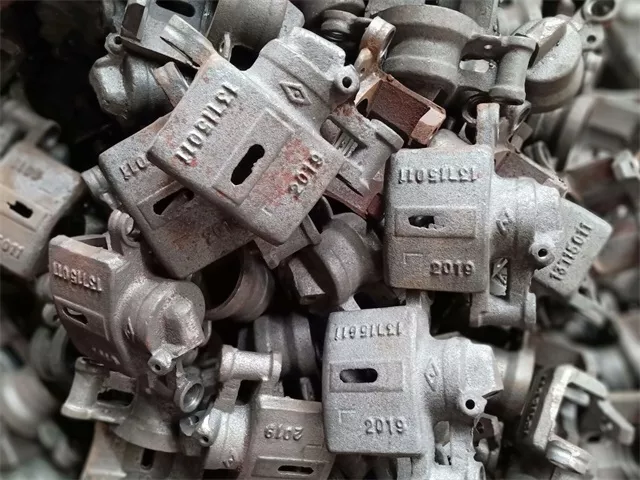
how to replace the brake wheel cylinder and casting technology?
The brake wheel cylinder (commonly known as the brake caliper) is a very important component in the braking system. If it fails, it will have a great impact on ...
-

What Is Sand Casting And Its Process
What is sand casting?Sand casting is a metal casting process that uses sand to create the mold in which the metal is poured. It is the most common casting proce...
-
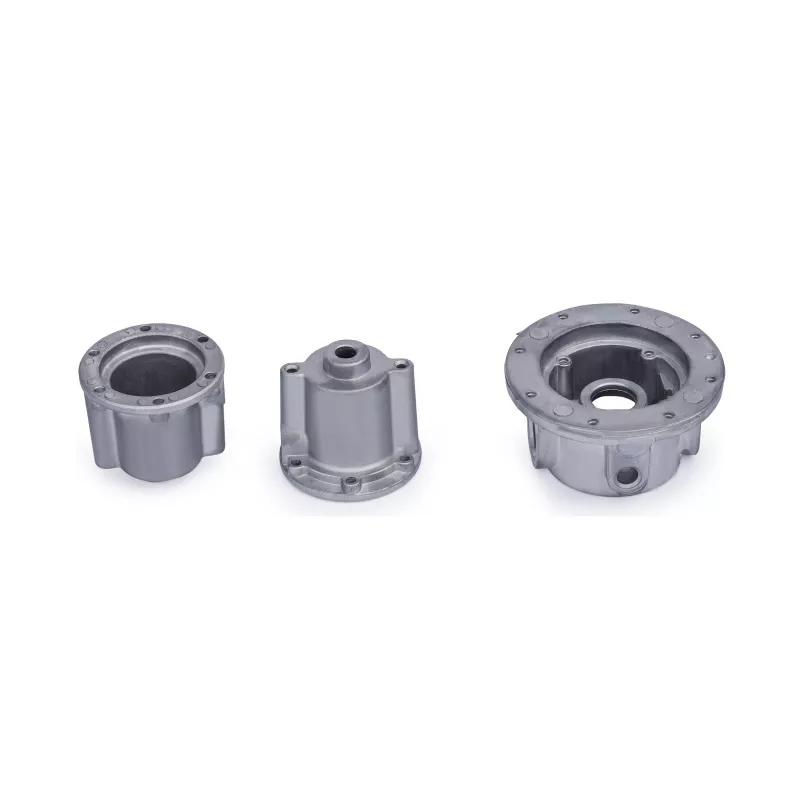
Control method of air hole defect and external shrinkage of aluminum castings
1、 Causes and control methods of air hole defects in aluminum castingsDuring aluminum alloy die casting, the liquid metal contains a lot of gas. If the melting ...



