
Brief Talk about Common Defects in Castings and Causes
Author: SAIVS Date Published: May 16,2023
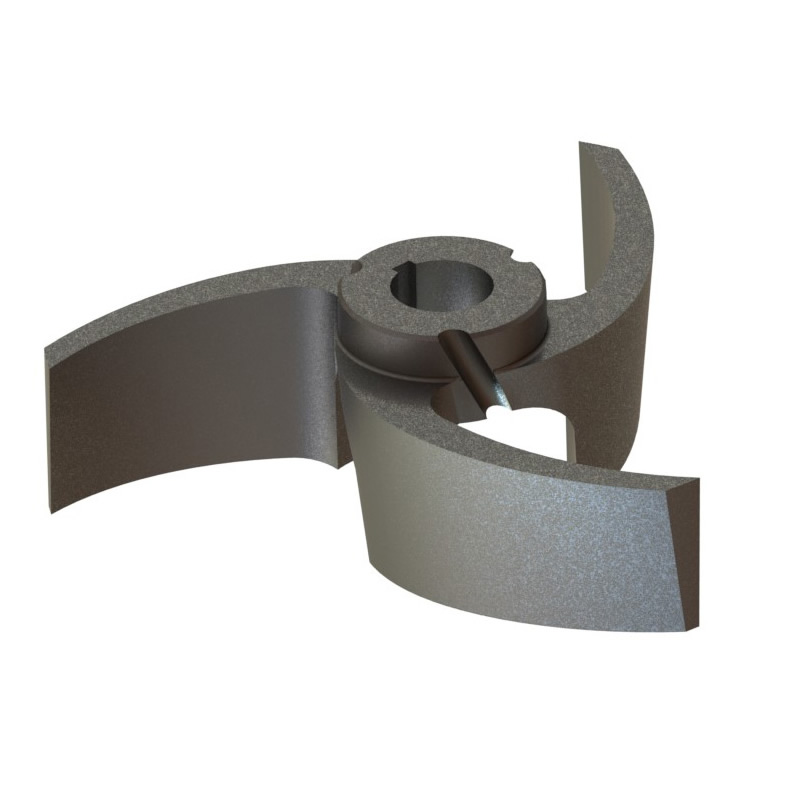
Pore defects in castings
When a molten metal solidifies, there is no time for gas to escape and form round holes in the metal surface or interior. There are three gas elements O, H and N in molten iron. During solidification, the solubility of these three gas elements suddenly decreases. After precipitation, gas forms pore. Another is the large amount of gas generated by sand core, which is easy to form pore when moisture returns or coating is not dry.
Sand inclusion defects in castings
Defects formed by mixing molten slag in the molten iron ladle with molten iron during casting.
Dense pore defects in castings
Pore clusters occurring during solidification as a result of Metal shrinkage.
Defects of intercooling insulation in casting
The main reason is that the casting temperature is too low, the metal solution can not flow fully in the casting mould, the two melts do not melt together and the defects are formed on or near the surface of the casting. Or intermittent pouring during pouring operation, lack of full cup pouring and solidification blockage or head oxidation caused by several water-inflowing flow heads which could not be combined
Shrinkage and Porosity Defects in Castings
Defects caused by shrinkage and insufficient shrinkage during solidification of castings are shrinkage holes. The common cause is poor early solidification shrinkage due to low CE value of liquid metal. The porous structure along the center of the casting is called central looseness.
Cracks due to shrinkage stress during solidification due to improper material and casting shape. Hot cracks at high temperatures and cold cracks at low temperatures.
Why Choose SAIVS™ as Your Supplier?
1.Superb Quality Control Management
At SAIVS, we take pride in our perfect quality management systems and procedures, which guarantees the excellent performance of all our producs, being a professional Investment Casting | Die Casting| Sand Castingmanufacturer in China.
2.Rich Production Experience
With 20 years of experience in production, SAIVS has a deep understanding of the market and trends, and strives for continuous research and innovation. This has created advantages in both the product's performance and appearance.
3.Competitive Prices
As a Chinese factory committed to becoming the most cost-effective Investment Casting | Die Casting| Sand Castingexporter in China, SAIVS provides high-quality products at advantageous prices. By lowering costs and increasing efficiency, we ensure that our customers receive the best possible value for their investment.
4.Perfect After-sales Service
At SAIVS, we strive to provide superior customer service that meets and exceeds expectations. We are always available for any questions or concerns you may have, and we stand by our commitment to providing excellent after-sales support.
Related Posts
-
How to Reduce Aluminum Casting Costs
Discover how to reduce costs in aluminum casting with this comprehensive guide. Learn about design for manufacturability, alloy selection, process optimization,...
-
The 6-Step Process of Sand Casting: A Step-by-Step Guide to Creating Metal Castings
This comprehensive guide delves into the 6-step process, from pattern making and mold preparation to melting, pouring, and finishing.
-
How to Categorize Scrap Steel for Foundry Use?
Comprehensive Guide to Scrap Steel Classification and Distinctions in the Foundry IndustryUnderstanding the classification and proper handling of scrap ste
-
Understanding Investment Casting Molds: A Step-by-Step Guide
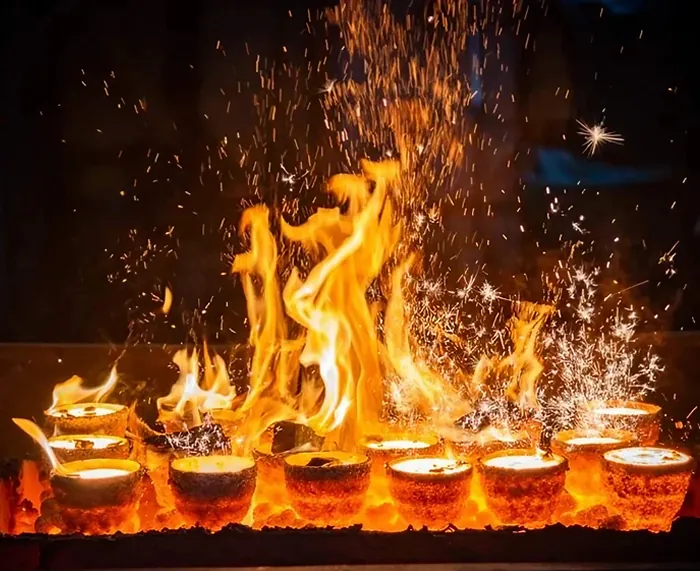
This paper describes the key steps involved in making investment casting molds and emphasizes the importance of quality control measures in the process.
-
Advanced Heat Treatment Practices for Aluminum-Magnesium Die-Casting Molds — SAIVS Technical Guide
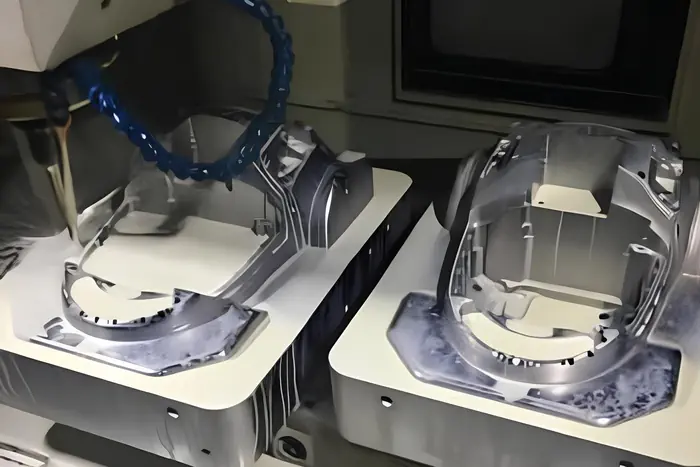
Introduction: Why Heat Treatment Matters for Aluminum-Magnesium Die-CastingAluminum-magnesium alloys are prized for their low density and high strength, an
-
Optimized Heat Treatment Process for Special Aluminum Alloy Shaft Sleeves
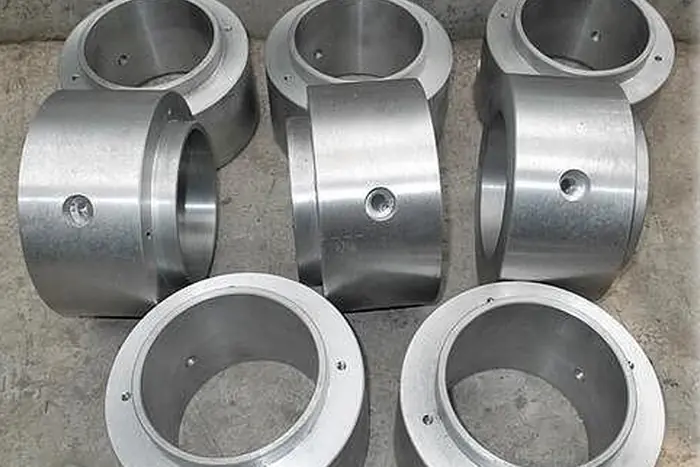
Optimized Heat Treatment Process for Special Aluminum Alloy Shaft SleevesThe shaft sleeve is a key functional component in gear pump systems.It is installe



