
Choosing the Right Material for Investment Casting
Author: SAIVS Date Published: Jul 24,2023
What is Investment Casting?
Investment casting is a metalworking process that involves creating a shape,
called the investment, out of wax or other materials.
The investment is then coated with refractory material and heated to create a hollow mold.
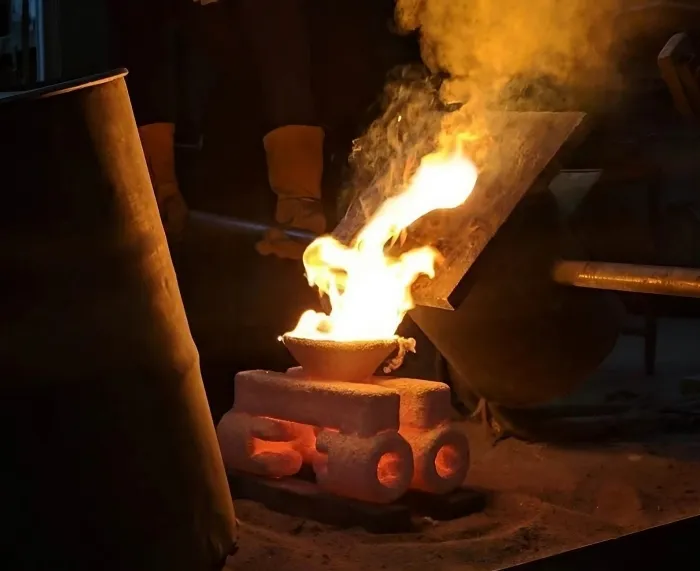
Molten metal is poured into the mold, and once it has solidified, the mold is broken away to reveal the final product.
It is essential to use suitable materials for investment casting since the properties of the material affect the quality
and performance of the final product. The wrong material can reduce the strength of the part,
decrease dimensional accuracy, or even cause the part to fail entirely.
Benefits of using investment casting in different industries
Investment casting is used in various industries due to its many benefits.
In the Aerospace Industry, investment casting is used to create parts for jet engines and turbines.
The process can produce parts with high accuracy and complex geometries,
making it ideal for producing parts with intricate internal cooling passageways or turbine blades.
The automotive industry also utilizes investment casting to create parts such as engine mounts,
exhaust manifolds, and transmission components.
Materials Used in Investment Casting
Investment casting can use a wide range of materials, including steel, Aluminum, brass, and others.
The material used depends on the specific requirements of the part.
The types of materials used in investment casting can be grouped into three categories:
ferrous alloys, non-ferrous alloys, and refractory materials. Ferrous alloys include steel, iron, and stainless steel.
Non-ferrous alloys include aluminum, brass, bronze, and copper.
Refractory materials include ceramic materials that can withstand high temperatures.
Each material has its unique properties, including strength, ductility,
toughness, and resistance to corrosion, wear, and temperature.
It is essential to select the right material for the part to ensure that it meets the specific requirements.
Factors Considered When Selecting Investment Casting Materials
When selecting materials for investment casting, several factors need to be considered,
including design requirements, component function and performance, production volume and cost, and environmental considerations.
Conclusion
In conclusion, selecting suitable investment casting materials is essential
for ensuring the highest quality and performance of the final product.
By carefully considering the specific requirements of each project and the properties of each material,
it is possible to produce parts that meet the highest standards.
Why Choose SAIVS™ as Your Supplier?
1.Superb Quality Control Management
At SAIVS, we take pride in our perfect quality management systems and procedures, which guarantees the excellent performance of all our producs, being a professional Investment Casting | Die Casting| Sand Castingmanufacturer in China.
2.Rich Production Experience
With 20 years of experience in production, SAIVS has a deep understanding of the market and trends, and strives for continuous research and innovation. This has created advantages in both the product's performance and appearance.
3.Competitive Prices
As a Chinese factory committed to becoming the most cost-effective Investment Casting | Die Casting| Sand Castingexporter in China, SAIVS provides high-quality products at advantageous prices. By lowering costs and increasing efficiency, we ensure that our customers receive the best possible value for their investment.
4.Perfect After-sales Service
At SAIVS, we strive to provide superior customer service that meets and exceeds expectations. We are always available for any questions or concerns you may have, and we stand by our commitment to providing excellent after-sales support.
Related Posts
-
The role of bearings in wind turbines
What is Wind turbines Wind turbines are machines that convert the kinetic energy from wind into electrical energy, thus making it possible to generate power...
-
Casting Defects: Understanding Causes and Solutions
Casting defects are common issues that occur during the metal casting process. These defects can affect the final product's quality, functionality, and
-
Sand Casting Using 3D Printing Technology
Sand casting has been a widely used method for manufacturing complex metal parts for centuries.However, with the advent of 3D printing technology, sand casting ...
-
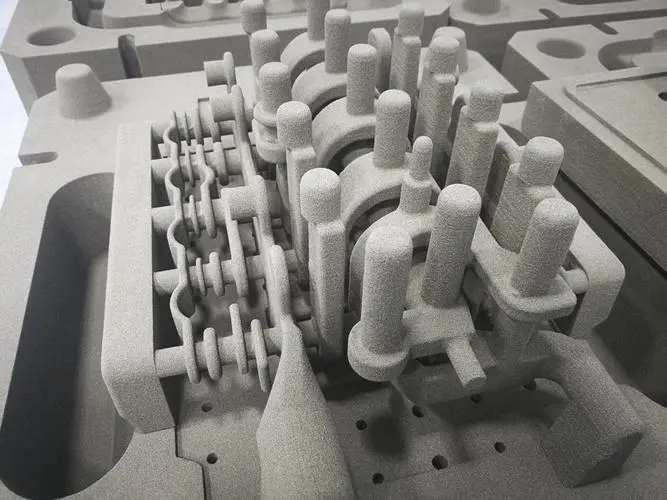
The Effective Uses of Sand Casting for Construction Machinery Parts
The construction machinery industry requires the production of big parts that have shapes, sizes, and complexities that are not easy to produce by conventional ...
-
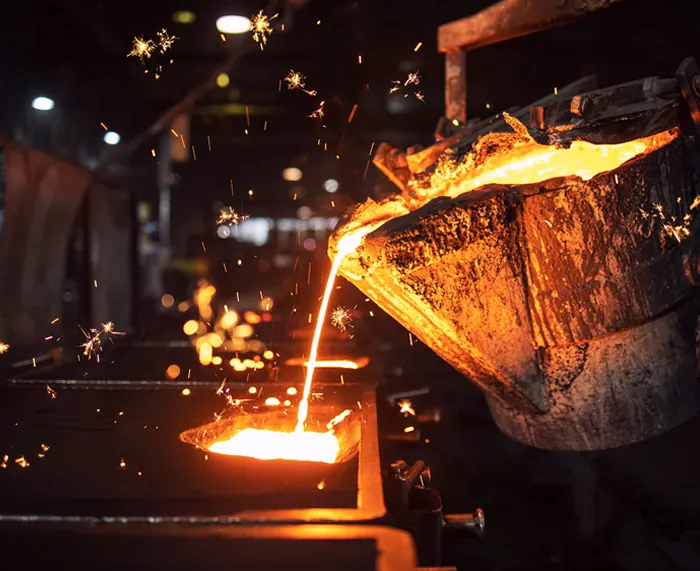
Die Casting Temperature Control: Improve Casting Quality and Production Efficiency
Die casting mold temperature affects casting quality and productivity. Learn how to control temperature for optimal casting.
-
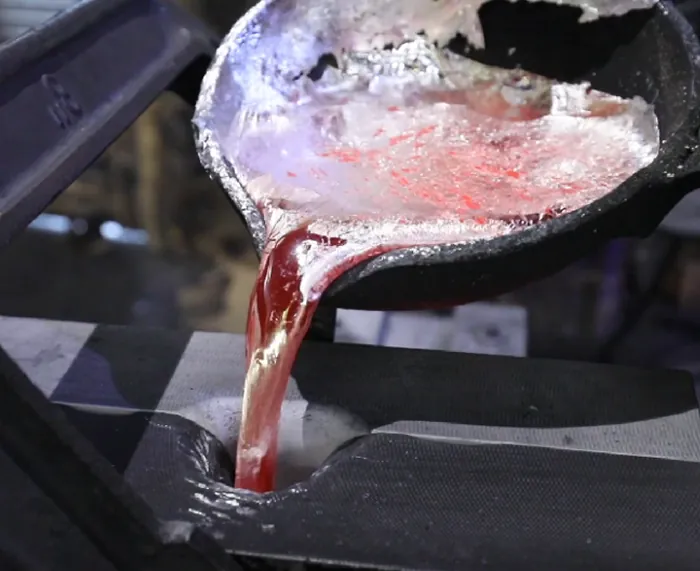
Aluminum Gravity Casting vs. Other Methods: Choosing the Right Fit for Your Needs
Aluminum gravity casting is a metal casting process also known as aluminum alloy gravity casting or aluminum gravity ingot casting. In this process, molten



