
Process Types, Defects & How to Select the Right Foundry Solution
Author: SAIVS Date Published: Oct 24,2026
Metal Casting 101: Process Types, Defects & How to Select the Right Foundry Solution
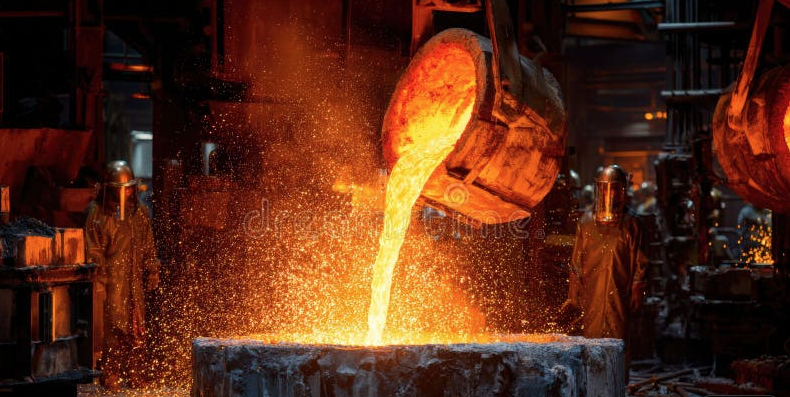
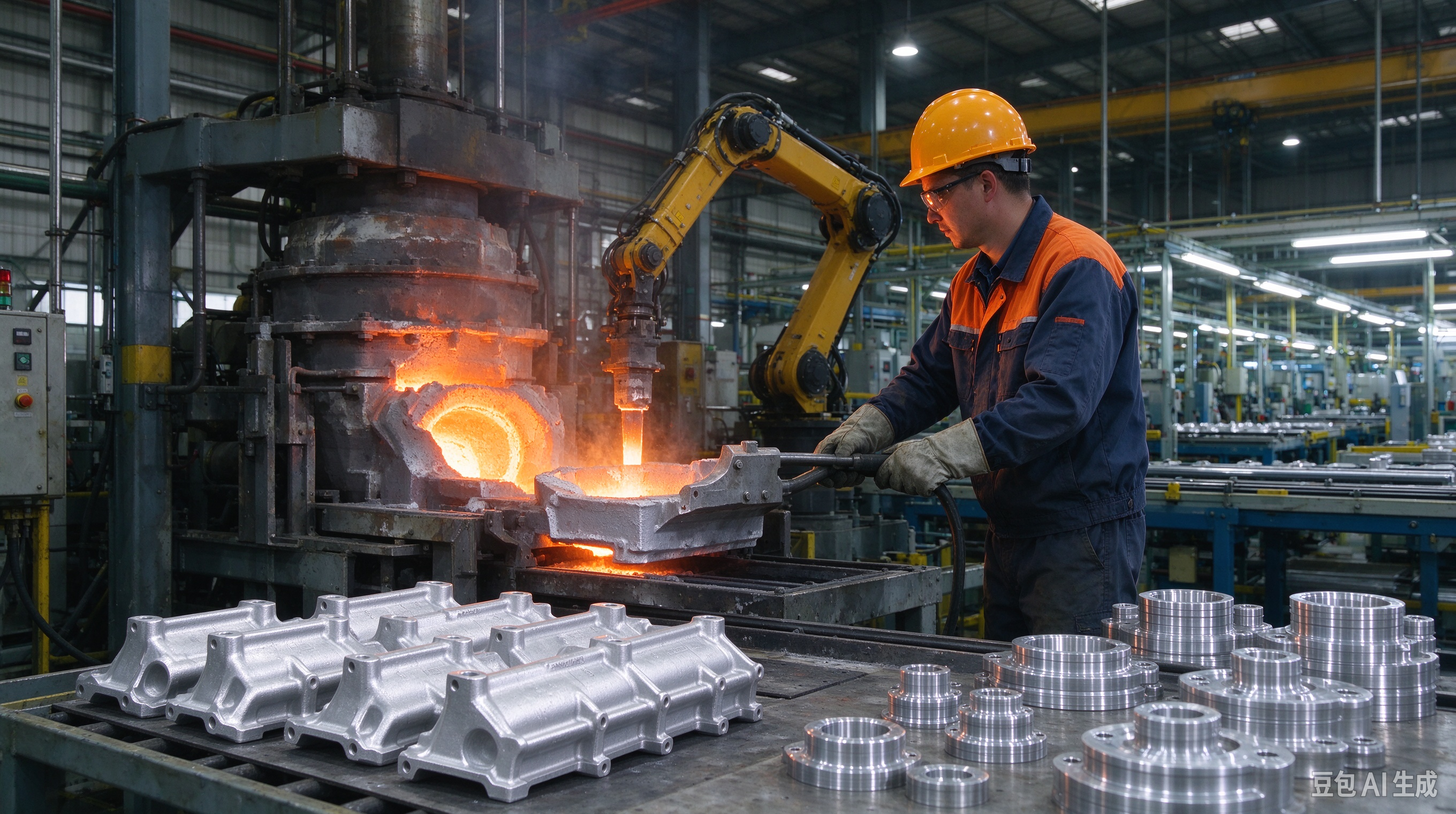
Metal casting remains one of the oldest and most flexible manufacturing methods for complex industrial parts. From heavy machinery housings, pump bodies and valve components to high-precision aerospace and hydraulic fittings, casting allows engineers to create near-net-shape metal parts with internal passages, curved contours and thick-to-thin transitions that are difficult or costly to produce by Forging or CNC machining alone.
For procurement managers, design engineers and equipment OEMs, understanding the core casting methods, common defects and material limits is critical to balancing cost, lead time, dimensional tolerance and service performance.
Main Industrial Casting Processes
Not all casting methods deliver the same surface finish, tolerance or cost structure. The two most widely used processes for industrial supply chains are Sand Casting and investment (lost-wax) casting.
Sand Casting
Sand casting uses bonded sand to form a disposable mould cavity. Molten metal is poured into the sand mould, and the mould is broken away once the part cools and solidifies.
- Best for large, heavy components: machine bases, gear housings, excavator parts, pump casings
- Supports iron, carbon steel, alloy steel, aluminium and bronze
- Low upfront tooling cost, flexible for low to medium batch sizes
- Typical tolerance: CT10–CT13; rougher surface finish, usually requires post-machining
Sand casting is the default choice when part size is large and ultra-tight precision is not the primary requirement.
Investment Casting (lost wax casting)
Investment casting starts with a wax pattern that is coated in ceramic slurry to build a hard shell. The wax is melted out, and molten metal fills the hollow ceramic mould. After cooling, the ceramic shell is removed.
- Excellent dimensional accuracy and smooth surface finish (Ra 1.6–3.2 μm)
- Suits intricate, thin-walled geometries, undercuts and fine logos or features
- Works for stainless steel, superalloys, aluminium and copper alloys
- Less secondary machining required, ideal for critical hydraulic, valve and aerospace components
Other Common Casting Variants
Die Casting is widely used for high-volume aluminium and zinc alloy parts with fast cycle times, while shell mould casting sits between sand and investment casting for improved consistency and surface quality.
Common Casting Defects & Quality Control Points
Even mature foundries face casting defects caused by mould moisture, gating/riser design, pouring temperature, alloy composition and cooling speed. The most frequent issues include:
- Gas porosity: Round smooth voids from trapped gas or moisture inside moulds; weakens pressure-bearing parts like hydraulic valve bodies
- Shrinkage porosity / shrinkage cavity: Irregular jagged voids in thick hot spots due to insufficient feed metal during solidification
- Sand inclusions: Sand particles washed into the melt, creating surface pits and leak paths
- Cold shuts & misruns: Molten metal stops flowing before filling the cavity, creating weak seams or incomplete geometry
Professional foundries use casting simulation software before production, strict melt temperature control, non-destructive testing (NDT) including UT, MT and PT, and pressure leak testing for fluid power components to filter out defective castings before delivery.
How to Choose Between Sand Casting and Investment Casting for Your Project
Ask these four questions before confirming a casting process:
- What is the part weight and maximum dimension?
- What tolerance, surface finish and leak-tightness specification do you need?
- What alloy will you use, and what mechanical properties are required?
- What is your annual order volume and budget?
Pick sand casting for large structural castings with relaxed tolerances. Choose investment casting if you need complex geometry, tight tolerance, pressure integrity and minimal machining. For hydraulic system parts, pump and valve bodies, leak-proof quality control is always non-negotiable.
saivs: Reliable Industrial Casting Component Supply
SAIVS partners with certified foundry workshops to supply casting blanks and finished machined casting parts for fluid power, heavy machinery, mining and construction industries. We support custom casting drawings, material certification, heat treatment, precision machining and pressure testing according to your technical requirements.
Our engineering team reviews casting designs for manufacturability, helps optimise gating systems to reduce porosity and shrinkage risks, and provides full material test reports (MTR) for every batch.
Get Support for Your Custom Casting Project
If you are sourcing custom castings for hydraulic assemblies, pump housings or heavy equipment, send your 2D/3D drawings, material specs and quantity requirements to our team. We will evaluate the best casting route and offer a stable, cost-effective solution.
Contact SAIVS to discuss your industrial casting component requirements.
Why Choose SAIVS™ as Your Supplier?
1.Superb Quality Control Management
At SAIVS, we take pride in our perfect quality management systems and procedures, which guarantees the excellent performance of all our producs, being a professional Investment Casting | Die Casting| Sand Castingmanufacturer in China.
2.Rich Production Experience
With 20 years of experience in production, SAIVS has a deep understanding of the market and trends, and strives for continuous research and innovation. This has created advantages in both the product's performance and appearance.
3.Competitive Prices
As a Chinese factory committed to becoming the most cost-effective Investment Casting | Die Casting| Sand Castingexporter in China, SAIVS provides high-quality products at advantageous prices. By lowering costs and increasing efficiency, we ensure that our customers receive the best possible value for their investment.
4.Perfect After-sales Service
At SAIVS, we strive to provide superior customer service that meets and exceeds expectations. We are always available for any questions or concerns you may have, and we stand by our commitment to providing excellent after-sales support.
Related Posts
-
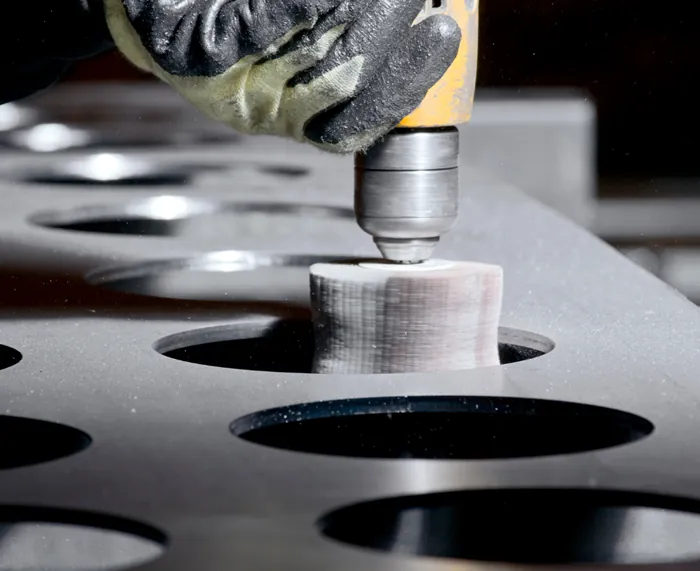
How to Remove Burrs from Metal Parts
This article explores the causes of burrs and explains the pros and cons of common removal methods. By choosing the right method, you can achieve a smooth, burr...
-
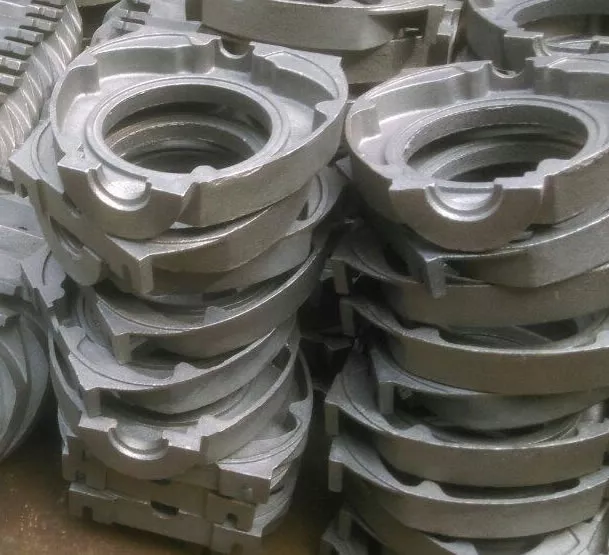
High-quality Heat Resistant Steel Casting from China Manufacturer
Heat resistant steel casting refers to a type of casting that can withstand high temperatures, making it ideal for use in environments where extreme heat is pre...
-
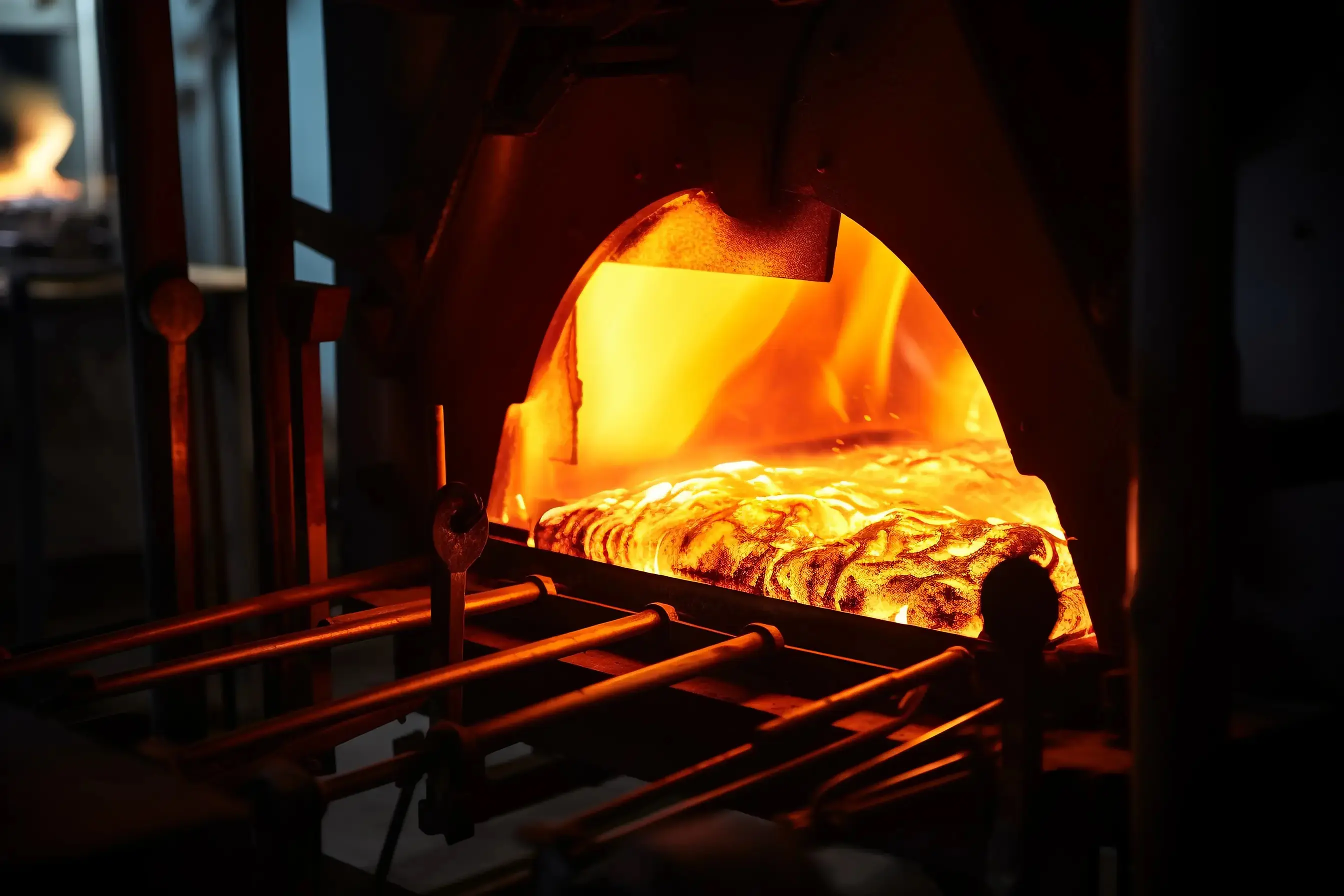
Rethinking Quenching: The Potential of Water in Modern Heat
Introduction:Quenching oil has long been the preferred cooling medium in heat treatment processes due to its unique cooling characteristics. However, conce
-
metal casting, aluminum casting, custom casting services
metal casting, aluminum casting, custom casting services
-
Gravity Casting of Metals
Gravity Casting Solves Sand Holes Theoretical Principle 1:Porosity and oxidation inclusion are produced by die casting because of the high injection speed. The ...
-
Porosity Issues in Aluminum Die Castings: Formation, Types, Effects, and Solutions
This article aims to provide a comprehensive overview of porosity issues in aluminum die castings.



