
Die cast product design: 3 considerations
Author: SAIVS Date Published: Nov 02,2023
Die Casting is a Manufacturing Process used to produce metal
components with high precision and efficiency.
It involves injecting molten metal into a die,
which is a mold or cavity that gives the desired shape to the final product.
The die is made of two halves, typically referred to asthe "ejector"
and "cover" sides, that come together to form the parting line.
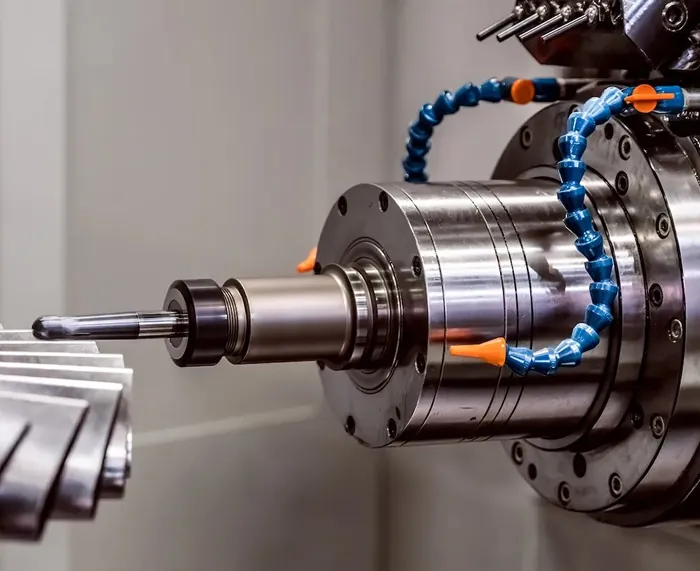
The draft angle refers to the slope or incline on the
walls of a die used in the casting process.
It is determined by the way the die and sliding cores open.
The purpose of the draft angle is to facilitate
the easy removal of the cast from the die.
By allowing the cast to slide out smoothly instead
of sticking to the slides, the process becomes
more efficient and ensures high-quality casting.
Uniform Wall Thickness:
In die casting, it is important to maintain a consistent
wall thickness throughout the component.
Sudden changes in thickness or geometry can disrupt the
flow of molten metal into the die, leading to the inclusion
of air and resulting in poor surface finish.
Proper calculation and consideration of
the draft angle can help avoid these issues.
Parting Line:
Every component produced through die casting has a parting line,
which is the point where the two halves of the die meet.
The parting line should be indicated on the component's
drawing and should be taken into account during the Die Casting Process.
Critical tolerances related to the parting line should be
specified in relation to one of the specific sides of the die,
namely the "ejector" and "cover" sides.
It is challenging to control critical tolerances
directly on the parting line itself.
Additionally, the parting line should not coincide with a
specific feature of the part, as it may affect the aesthetic appearance.
Calculating the draft angle can help determine
the visibility or concealment of the parting line.
Why Choose SAIVS™ as Your Supplier?
1.Superb Quality Control Management
At SAIVS, we take pride in our perfect quality management systems and procedures, which guarantees the excellent performance of all our producs, being a professional Investment Casting | Die Casting| Sand Castingmanufacturer in China.
2.Rich Production Experience
With 20 years of experience in production, SAIVS has a deep understanding of the market and trends, and strives for continuous research and innovation. This has created advantages in both the product's performance and appearance.
3.Competitive Prices
As a Chinese factory committed to becoming the most cost-effective Investment Casting | Die Casting| Sand Castingexporter in China, SAIVS provides high-quality products at advantageous prices. By lowering costs and increasing efficiency, we ensure that our customers receive the best possible value for their investment.
4.Perfect After-sales Service
At SAIVS, we strive to provide superior customer service that meets and exceeds expectations. We are always available for any questions or concerns you may have, and we stand by our commitment to providing excellent after-sales support.
Related Posts
-
Die cast product design: 3 considerations
Die casting is a manufacturing process used to produce metalcomponents with high precision and efficiency. It involves injecting molten metal into a die, which ...
-
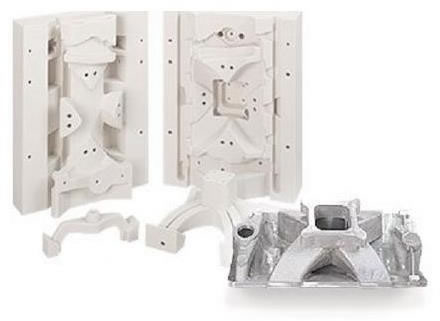
Application of Rapid Prototyping Technology in Investment Casting
—Review of the progress of foreign precision casting technology (12) "Special Casting and Nonferrous Alloys", 2005 (12): 732~735Rapid Prototyping (RP)...
-
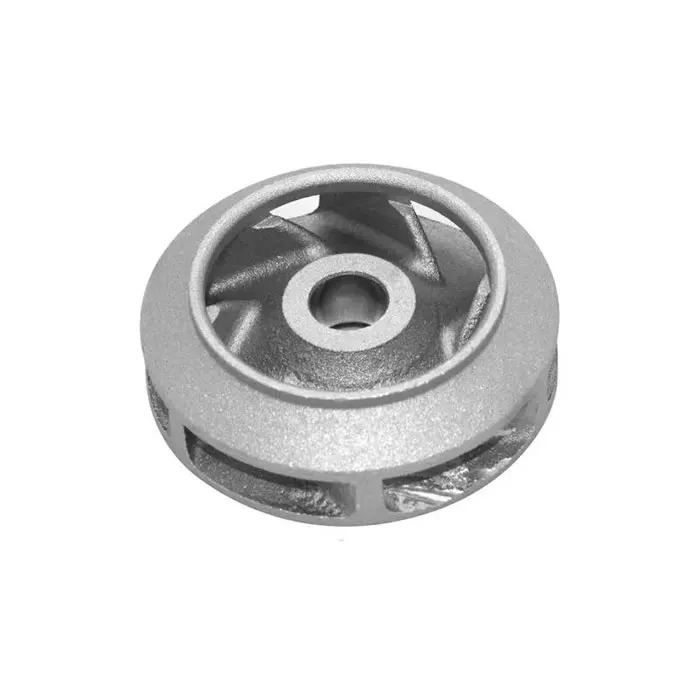
What to Consider When Choosing a CHINA-Based Factory for Customized Pump Body Investment Castings
Investment casting is a popular manufacturing technique used to create complex metal parts with high precision and repeatability. Pump body investment castings ...
-
How to shell stainless steel Investment casting?
The production process of stainless steel investment castings is relatively complex, and the requirements for dimensional accuracy are high. The shell making pr...
-
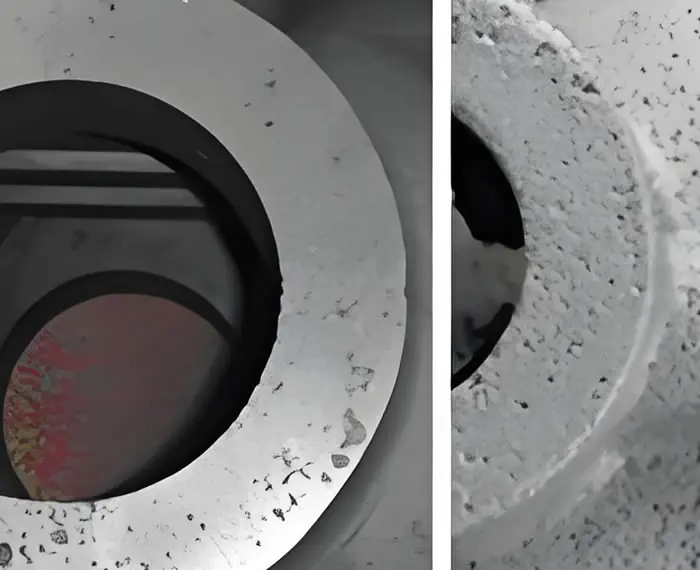
Effective Strategies to Prevent and Solve Subcutaneous Porosity in Castings
Measures to Prevent and Solve Subcutaneous Porosity in CastingsSubcutaneous porosity in castings is a common defect caused by various factors in the castin
-
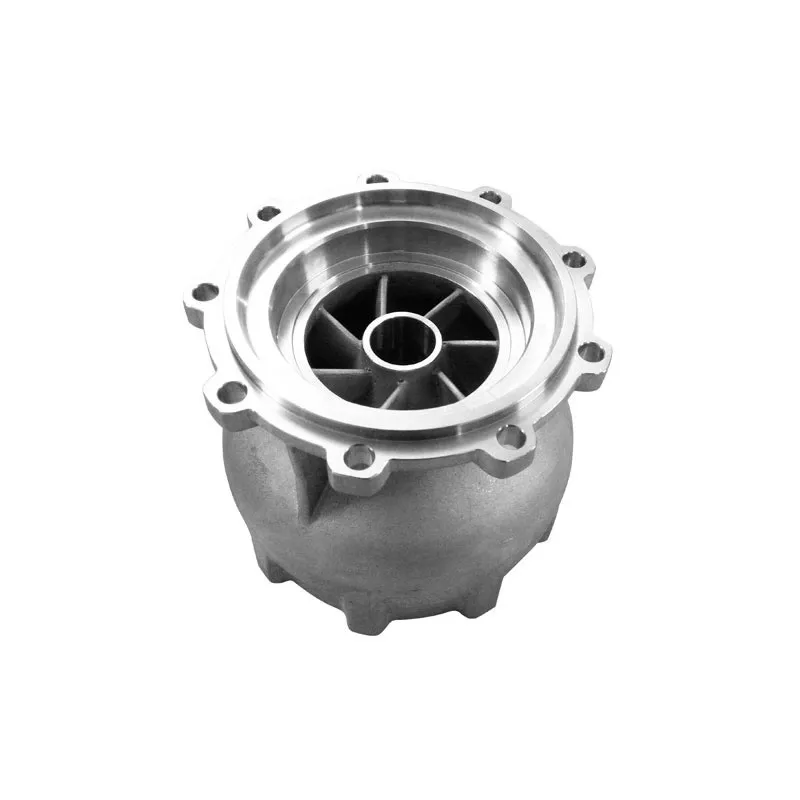
Working Principle and Characteristics of Die Casting Technology
Die-casting technology is the process of organically combining and applying three production elements of die-casting, namely, die-casting alloy, die-casting die...



