
The Advantages of Stainless Steel Casting for Camlock Couplings
Author: SAIVS Date Published: Jan 13,2025
Camlock couplings are widely used for fast and secure connections in various industries,
especially where hoses and pipes need to be frequently connected and disconnected.
These couplings come in different materials, such as Aluminum, brass, and stainless steel,
with stainless steel being one of the most preferred choices for industrial applications.
In this article, we will explore the advantages of using stainless steel casting for camlock couplings and its various applications.
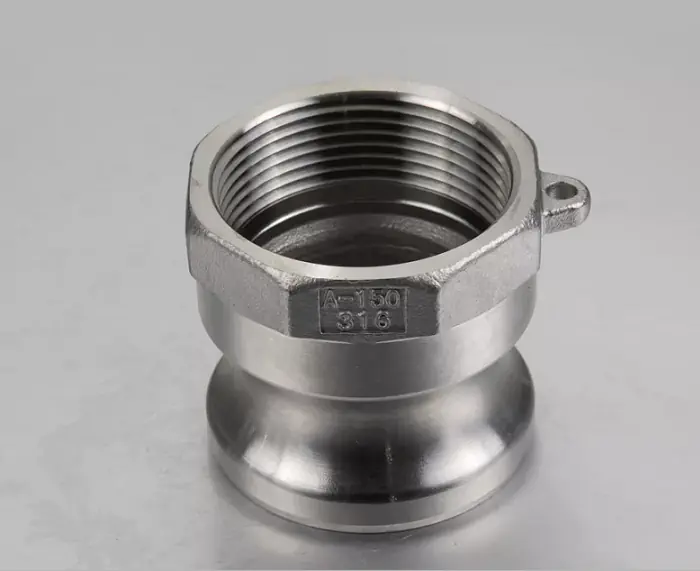
Why Choose Stainless Steel for Camlock Couplings?
Stainless steel offers multiple benefits that make it an excellent material for camlock couplings,
particularly in industries that require durability, corrosion resistance, and reliability.
The process of stainless Steel Casting involves pouring molten stainless steel into molds to create precisely shaped couplings, ensuring high-quality production.
High Strength and Durability
Stainless steel is known for its impressive strength and long-lasting durability. When used in camlock couplings, it can endure high pressure and temperature conditions, making it suitable for heavy-duty applications across multiple industries. This toughness ensures that stainless steel camlock couplings can withstand even the most challenging operating environments.Corrosion Resistance
One of the key advantages of stainless steel is its ability to resist corrosion. This is especially critical for camlock couplings that will be exposed to aggressive chemicals, liquids, and extreme temperatures. Stainless steel camlock couplings are capable of withstanding corrosion from acids, alkalis, and other harsh substances. This makes them an ideal choice for industries like chemical processing, pharmaceuticals, and food and beverage production.Hygienic and Easy to Maintain
Stainless steel is also a hygienic material, which is essential for industries like food and beverage where cleanliness is critical. Its smooth, non-porous surface prevents bacteria buildup, and it is easy to clean and sanitize. This ensures that stainless steel camlock couplings help maintain a safe and contamination-free environment for food handling and processing.Aesthetic Appeal
Beyond its functional benefits, stainless steel also provides an attractive finish. The sleek, shiny surface of stainless steel camlock couplings not only enhances the look of equipment but also ensures that the couplings retain their visual appeal even in harsh environments.
Common Grades of Stainless Steel Used in Camlock Couplings
There are two primary grades of stainless steel used in manufacturing camlock couplings: Grade 304 and Grade 316.
Grade 304 Stainless Steel
This is an austenitic stainless steel containing 18% chromium and 8% nickel. It is highly resistant to corrosion and oxidation and is suitable for a wide range of industrial applications. Grade 304 is commonly used for camlock couplings in less aggressive environments.Grade 316 Stainless Steel
Grade 316 is another austenitic stainless steel but with the addition of molybdenum (2-3%), which significantly increases its corrosion resistance. It is particularly ideal for industries that deal with highly corrosive chemicals or salty environments, such as marine or pharmaceutical sectors.
Both grades offer excellent resistance to corrosion and oxidation, but Grade 316 provides superior protection against harsher chemical environments.
Applications of Stainless Steel Camlock Couplings
Stainless steel camlock couplings are used in various industries due to their robustness, corrosion resistance, and hygienic properties. Here are some of the key applications:
Chemical Processing
Stainless steel camlock couplings are often used in chemical processing facilities to connect pipes and hoses transporting corrosive liquids and gases. Their corrosion resistance makes them suitable for this challenging environment.Food and Beverage
These couplings are widely employed in the food and beverage industry, where hygiene is paramount. Stainless steel does not contaminate products, making it the ideal choice for applications where cleanliness and safety are critical.Pharmaceutical Manufacturing
Stainless steel camlock couplings are essential in pharmaceutical manufacturing, as they help transfer chemicals and liquids without risk of contamination or chemical reactions.Oil and Gas Industry
The oil and gas industry also benefits from stainless steel camlock couplings. Their ability to withstand high pressures and resist corrosion makes them perfect for transferring hydrocarbons, even in extreme conditions.
Conclusion
In conclusion, stainless steel casting provides numerous advantages for camlock couplings,
making them a reliable choice for industries that demand durability, corrosion resistance, and ease of maintenance.
With their versatility and strength, stainless steel camlock couplings are essential components in chemical processing,
food and beverage, pharmaceutical, and oil and gas applications.
Why Choose SAIVS™ as Your Supplier?
1.Superb Quality Control Management
At SAIVS, we take pride in our perfect quality management systems and procedures, which guarantees the excellent performance of all our producs, being a professional Investment Casting | Die Casting| Sand Castingmanufacturer in China.
2.Rich Production Experience
With 20 years of experience in production, SAIVS has a deep understanding of the market and trends, and strives for continuous research and innovation. This has created advantages in both the product's performance and appearance.
3.Competitive Prices
As a Chinese factory committed to becoming the most cost-effective Investment Casting | Die Casting| Sand Castingexporter in China, SAIVS provides high-quality products at advantageous prices. By lowering costs and increasing efficiency, we ensure that our customers receive the best possible value for their investment.
4.Perfect After-sales Service
At SAIVS, we strive to provide superior customer service that meets and exceeds expectations. We are always available for any questions or concerns you may have, and we stand by our commitment to providing excellent after-sales support.
Related Posts
-
CNC vs. Rapid Prototyping: Which Machining Process is Right for You?
CNC vs. Rapid Prototyping: Choosing the Best Machining Process for Your NeedsIn the fast-evolving world of manufacturing, choosing the right machining proc
-
Advanced Surface and Internal Quality Inspection Methods for Castings — Reliable NDT Solutions from
Advanced Surface and Internal Quality Inspection Methods for CastingsOverview:Accurate inspection of castings is essential to ensure product performance, s
-
Understanding Metal Strength for the Perfect Choice
Mental strength is a critical factor in countless applications, from towering skyscrapers to the intricate components within our smartphones. But what exac
-
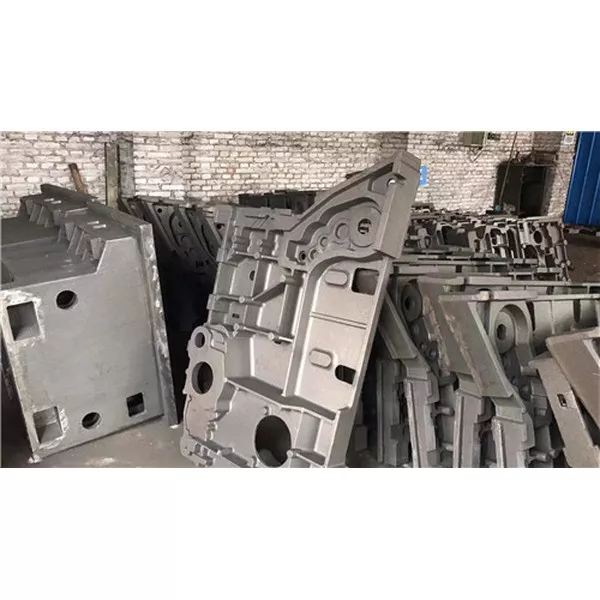
High-Quality Gray Iron Casting Gearbox Housing by SAIVS
Discover the exceptional range of Gray Iron Casting Gearbox Housing, crafted by the reputable SAIVS factory in China. Unbeatable quality at competitive prices -...
-
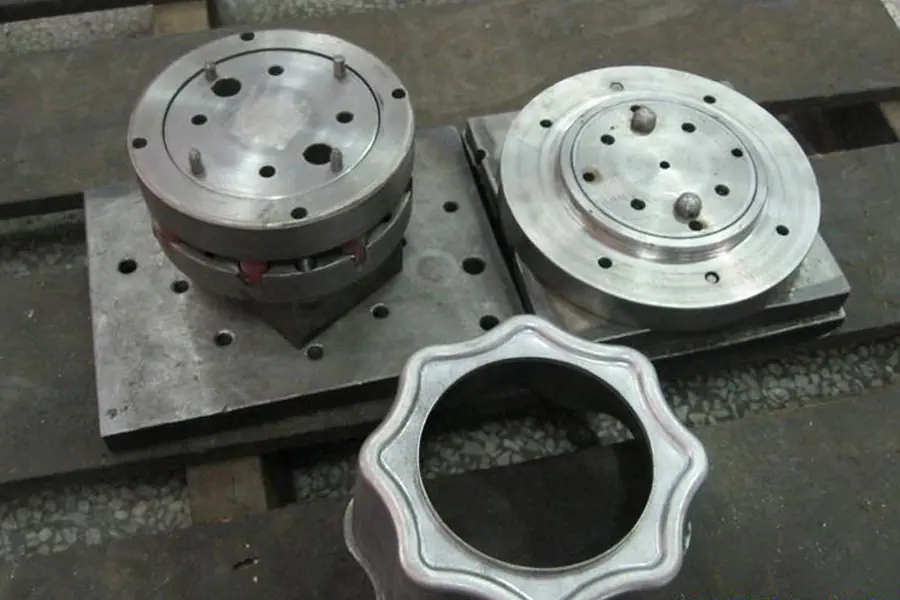
Seven Practical Precautions in Drawing Die Design for Stable and High-Quality Stamping
Why Drawing Die Design Is Critical in Stamping ProductionDrawing dies account for a significant proportion of the stamping die industry.From motor housings
-
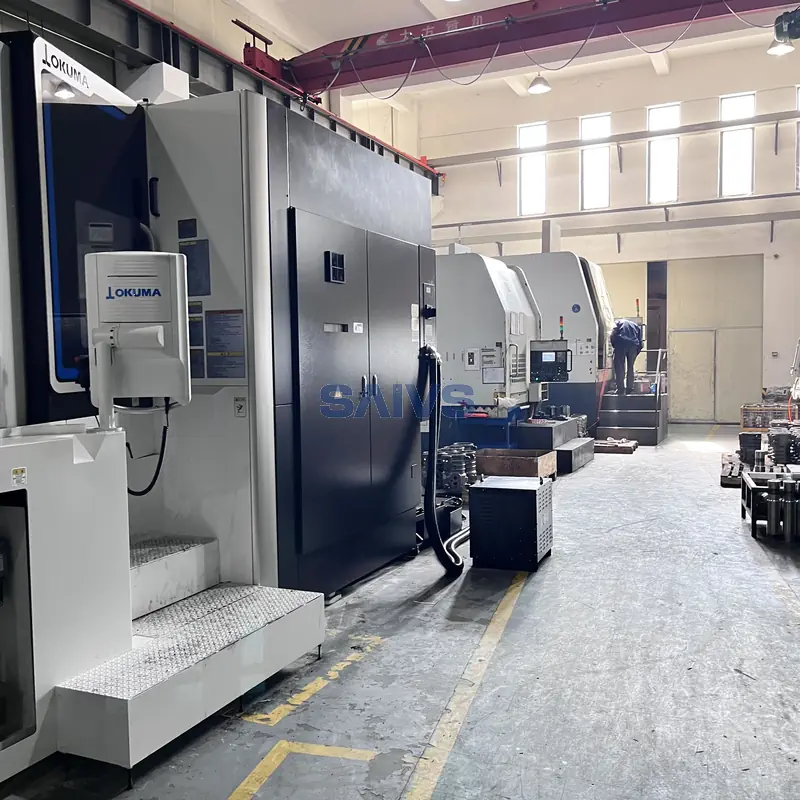
Complete Guide to Metal Manufacturing Methods: Die Casting, Forging, Machining and More
Comparing Common Metal Manufacturing Processes: Die Casting, Forging, Machining & MoreMetal parts production relies on a variety of manufacturing technique



